The Tiny Homestead Bird That Changed Everything
When most people think about homesteading, they picture chickens, goats, or a big garden.
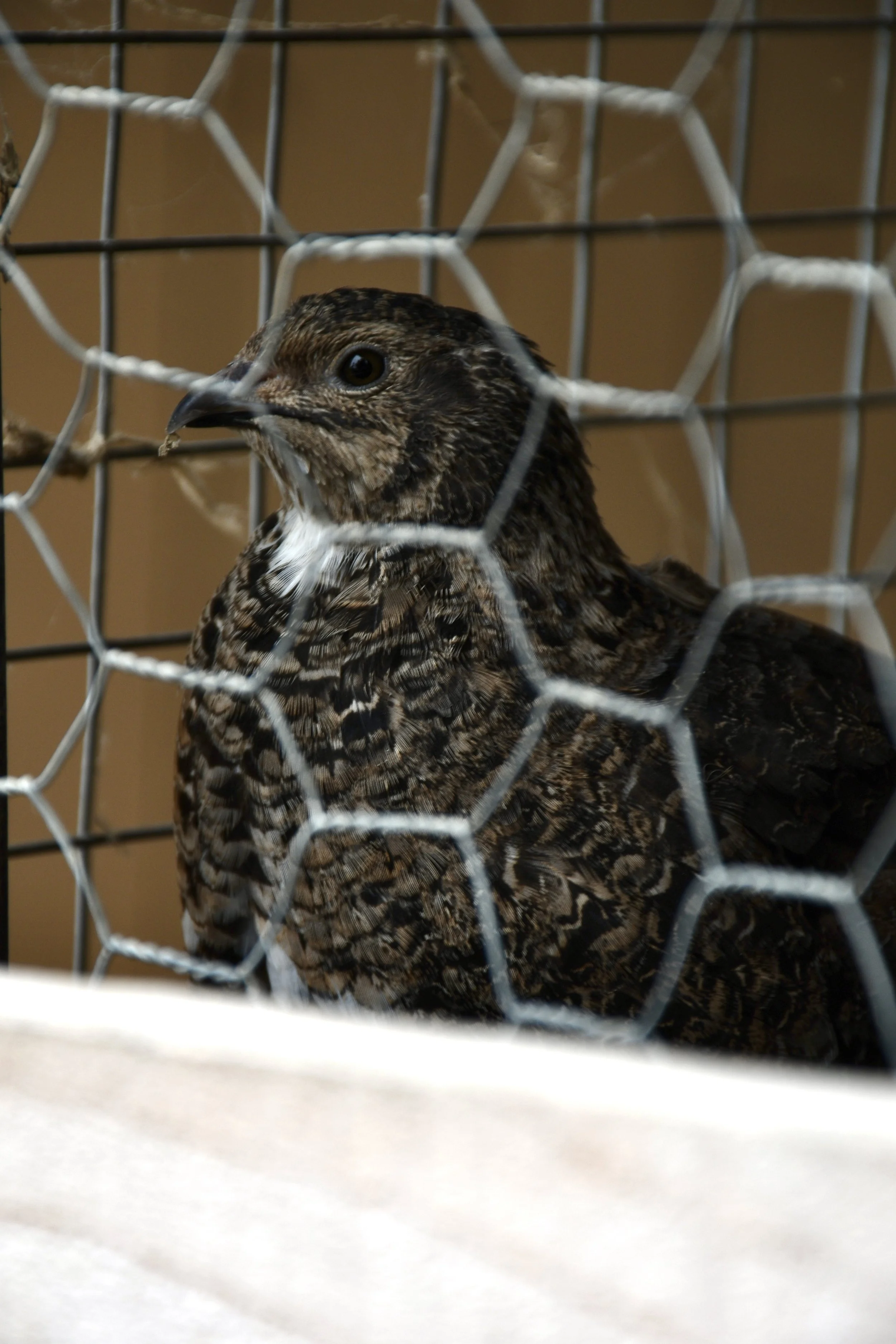
For me, one of the most rewarding additions to our homestead has been quail.
These tiny birds don't take up much space, mature quickly, and provide a steady supply of eggs. What started as a simple curiosity has turned into one of my favorite homestead projects. Over time, I've learned that quail can be one of the easiest and most productive animals for a beginner homesteader.
Why I Chose Quail
One of the biggest advantages of quail is how little space they require compared to chickens.
They are quiet, easy to care for, and can fit into a backyard homestead without needing a large coop or run. They also begin laying eggs much sooner than chickens, often within 6 to 8 weeks, making them a great option for anyone wanting to produce food in a smaller space.
Some of my favorite benefits include:
Small space requirements
Fast growth rate
Early egg production
Easy daily care
Great for beginners
Fun to watch and raise
Delicious and nutritious eggs
For anyone interested in becoming more self-sufficient, quail are a fantastic place to start.
My Experience Incubating Quail Eggs
One of the things I enjoy most is incubating my own quail.
There is something amazing about watching a tiny egg develop into a healthy chick. Every hatch feels like a small miracle.
Over time, I've learned that having a reliable incubator makes a huge difference in hatch rates and overall success.
My Favorite Incubator and hatching supplies
Harris Farms Nurture Right Egg Incubator
Stackable Wooden Quail Egg Holder
This is the incubator and heating plate I've had the best experience with, and it has helped me hatch healthy quail consistently.
Incubation Tips That Have Helped Me
Through trial and error, I've learned that consistency is everything.
For Coturnix quail, I aim for:
Temperature: 99.5°F (37.5°C)
Humidity: 40–50% during incubation
Humidity: 65–70% during the final days before hatch ("lockdown")
Incubation period: Approximately 17–18 days
Other tips that have helped me:
Start with clean, fertile eggs.
Keep the incubator in a room with stable temperatures.
Turn eggs regularly if your incubator isn't automatic.
Avoid opening the incubator too often during hatch time.
Be patient and trust the process.
Even with the best setup, nature still has the final say.
When My Chicken Became a Quail Mom
One of the most unexpected and heartwarming experiences on our homestead involved one of my broody hens.
Originally, my plan was to hatch the quail in an incubator. However, I had a chicken that was determined to sit on eggs. She was broody, protective, and refused to leave her nest.
That's when I had an idea.
What if I let her incubate the quail eggs herself?
I wasn't sure it would work. Quail eggs are much smaller than chicken eggs, and I had never seen anyone around me try it.
To my surprise, she took her job very seriously.
Day after day, she carefully sat on the eggs, turning them and keeping them warm. She rarely left the nest except to eat and drink.
Then hatch day arrived.
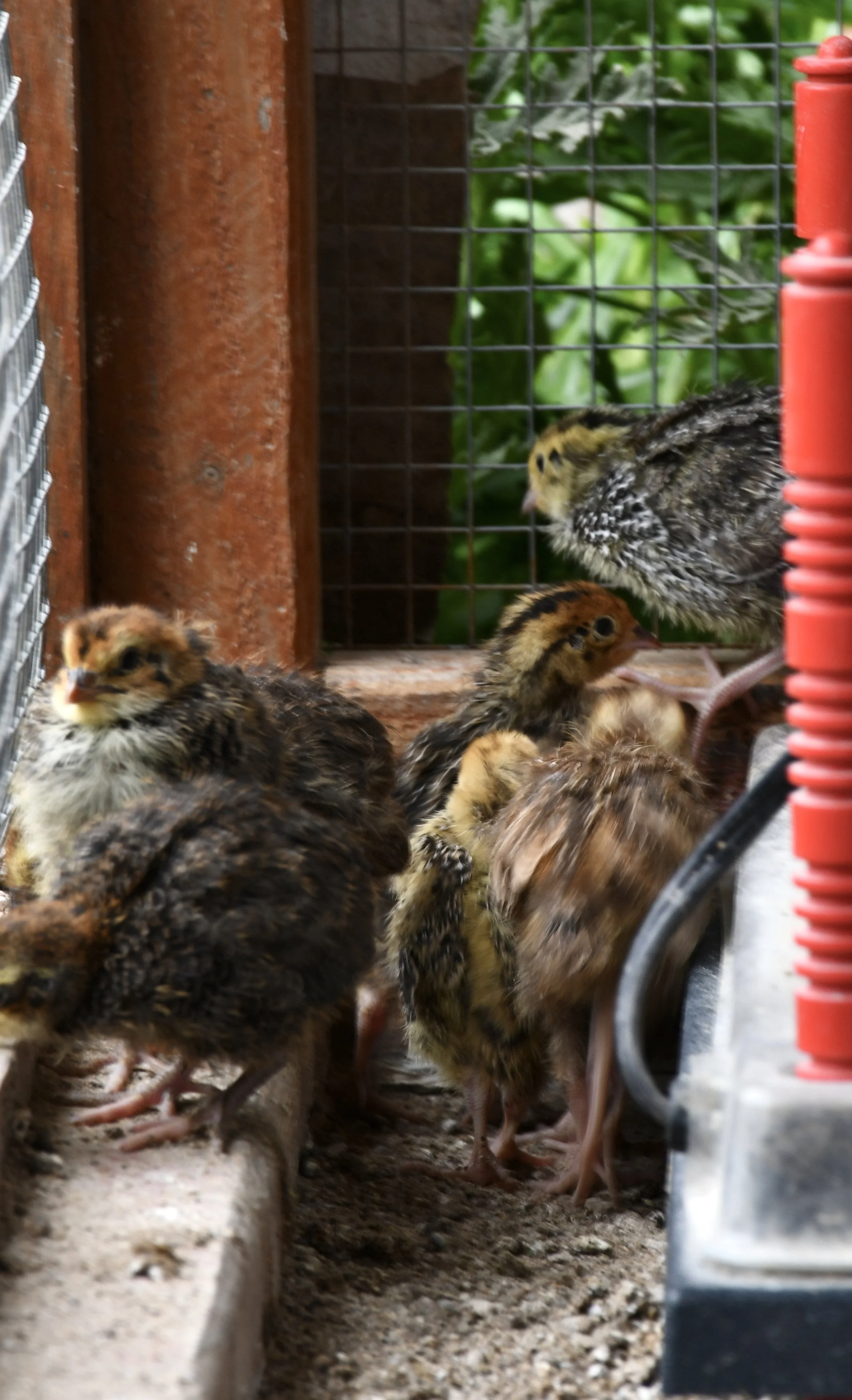
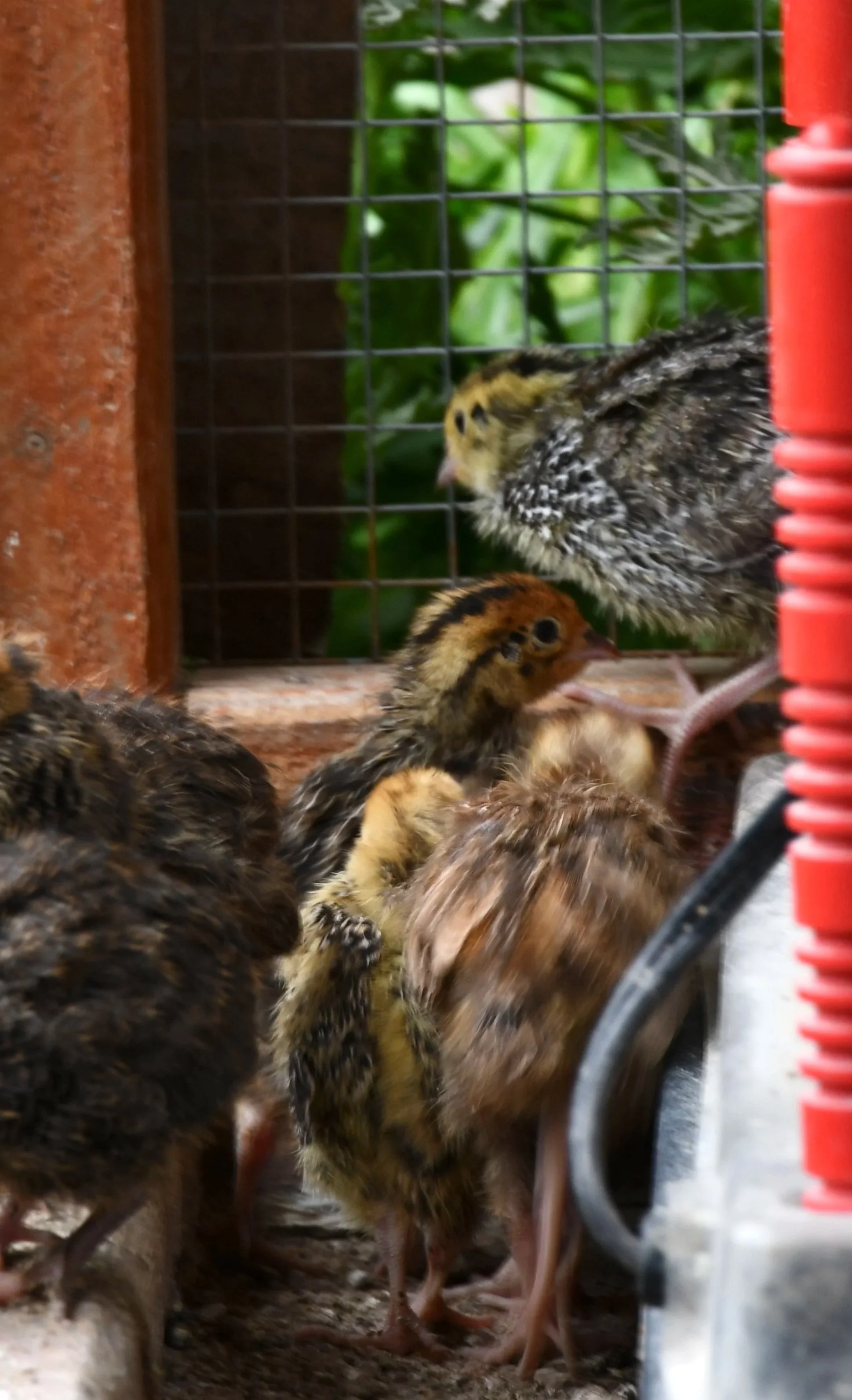
One by one, tiny quail chicks began emerging from their shells. It was incredible to watch.
Even more amazing was what happened next.
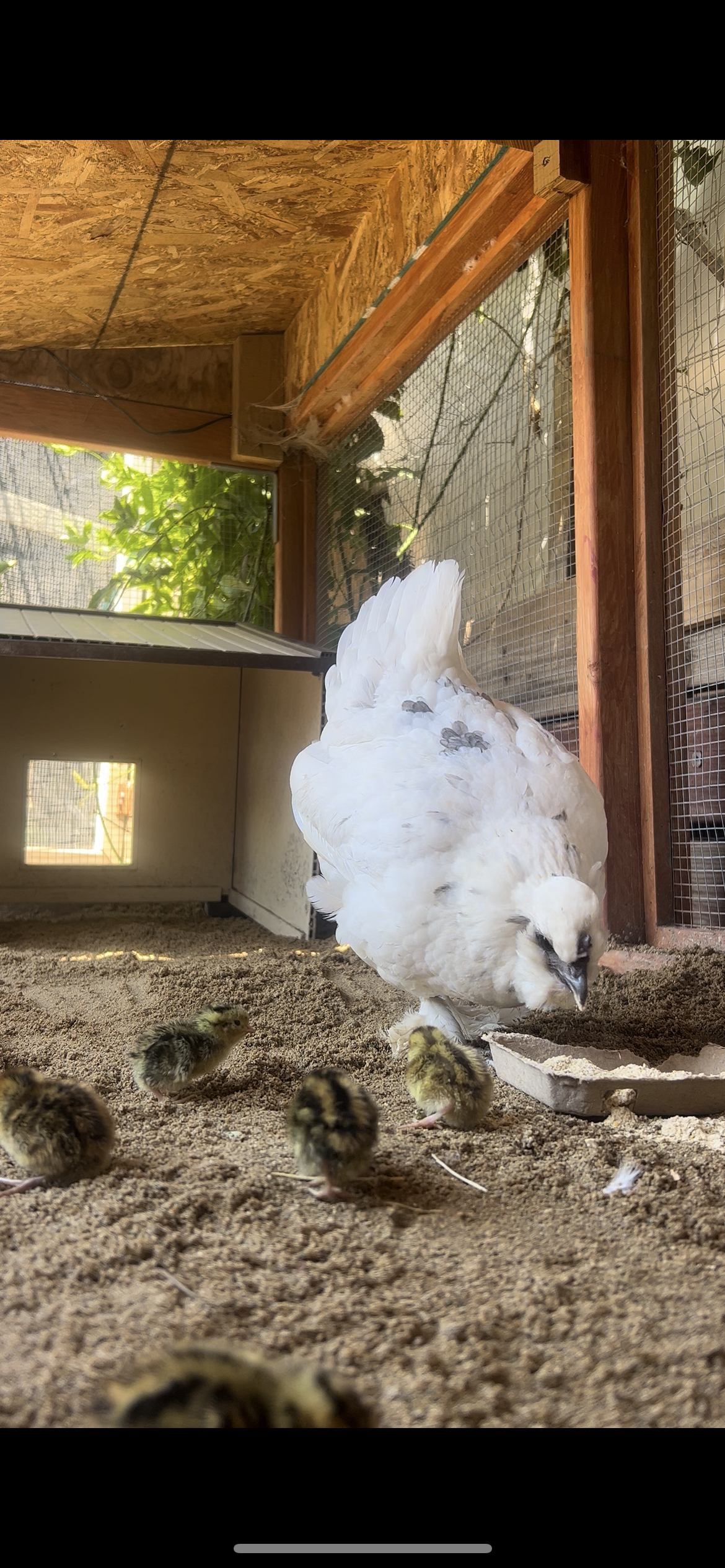
She immediately accepted them as her own.
She gathered them beneath her wings, kept them warm, protected them from danger, and taught them how to eat and drink. If one wandered too far, she would call it back just like she would a baby chick.
Watching a full-sized chicken caring for tiny quail chicks was one of the sweetest things I've ever witnessed on the homestead.
Honestly, she did a better job than I probably would have.
Add Your Photo Here
[Insert photo of your chicken with her quail chicks]
Why Quail Belong on a Homestead
Whether you're working with several acres or a small backyard, quail can be a valuable addition.
They provide eggs, help teach responsibility, and offer a great introduction to raising livestock. They're efficient, productive, and surprisingly entertaining.
For me, they've become more than just birds. They've become part of the story of learning, growing, and building a more self-sufficient lifestyle.
Final Thoughts
One of the things I've learned through homesteading is that sometimes the smallest animals bring the biggest surprises.
From incubating tiny eggs to watching a chicken hatch and raise baby quail as her own, this journey has been filled with lessons I never expected.
If you've been thinking about adding quail to your homestead, I encourage you to give them a try. They may be small, but they have a lot to offer.
And who knows—you might even have a chicken that decides to become a quail mom.