Something interesting happened after I created my ginger bug.
It made me wonder—if a ginger bug contains wild yeast and beneficial bacteria, could it help kickstart a sourdough starter? After all, fermentation is really just the process of microbes breaking down sugars and starches into energy, acids, and gases like carbon dioxide.
Flour itself contains complex carbohydrates (starches), and when mixed with water, those starches begin breaking down into simpler sugars. Those sugars are exactly what wild yeast feeds on to create fermentation.
For a long time, I had tried making sourdough starters the traditional way and never had success. They would start weak, stall, or die off completely. So I decided to experiment with something I already had active in my kitchen: my ginger bug.
The Experiment
I mixed equal parts flour and ginger bug liquid.
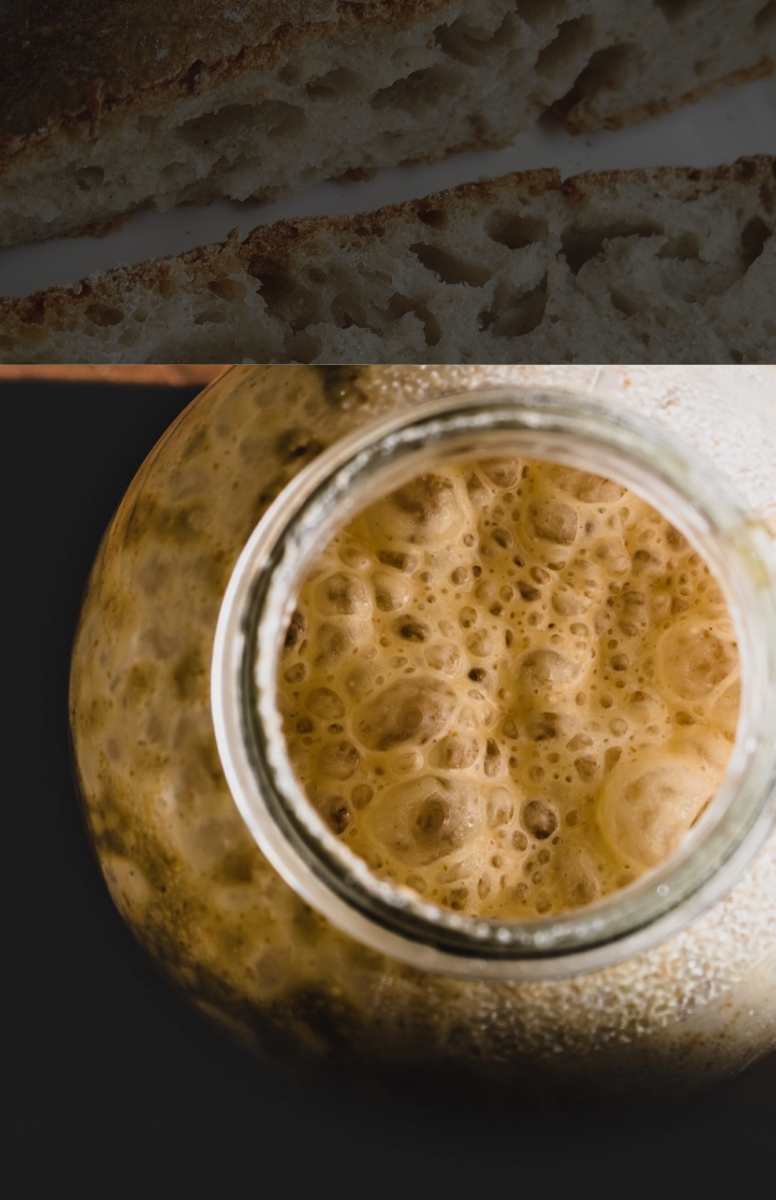
Within about four hours, the mixture became noticeably active. It bubbled, expanded, and reached what looked like a full peak of fermentation much faster than any starter I had ever made before.
What I believe happened is this: the ginger bug introduced a strong, active population of wild yeast and bacteria right away. Instead of waiting for natural colonization from the air and flour, the culture already had a head start.
This jump-started fermentation almost immediately.
From there, I continued feeding it with flour and water like a traditional sourdough starter.
What Happened Next
It kept going.
What started as an experiment turned into a sourdough starter that has now been alive for about three months. It hasn’t died, stalled, or needed to be restarted. Instead, it continues to grow stronger with time and regular feedings—and this is how Big Bug Dough came to life.
What I’ve Made With It
So far, this starter has helped me make:
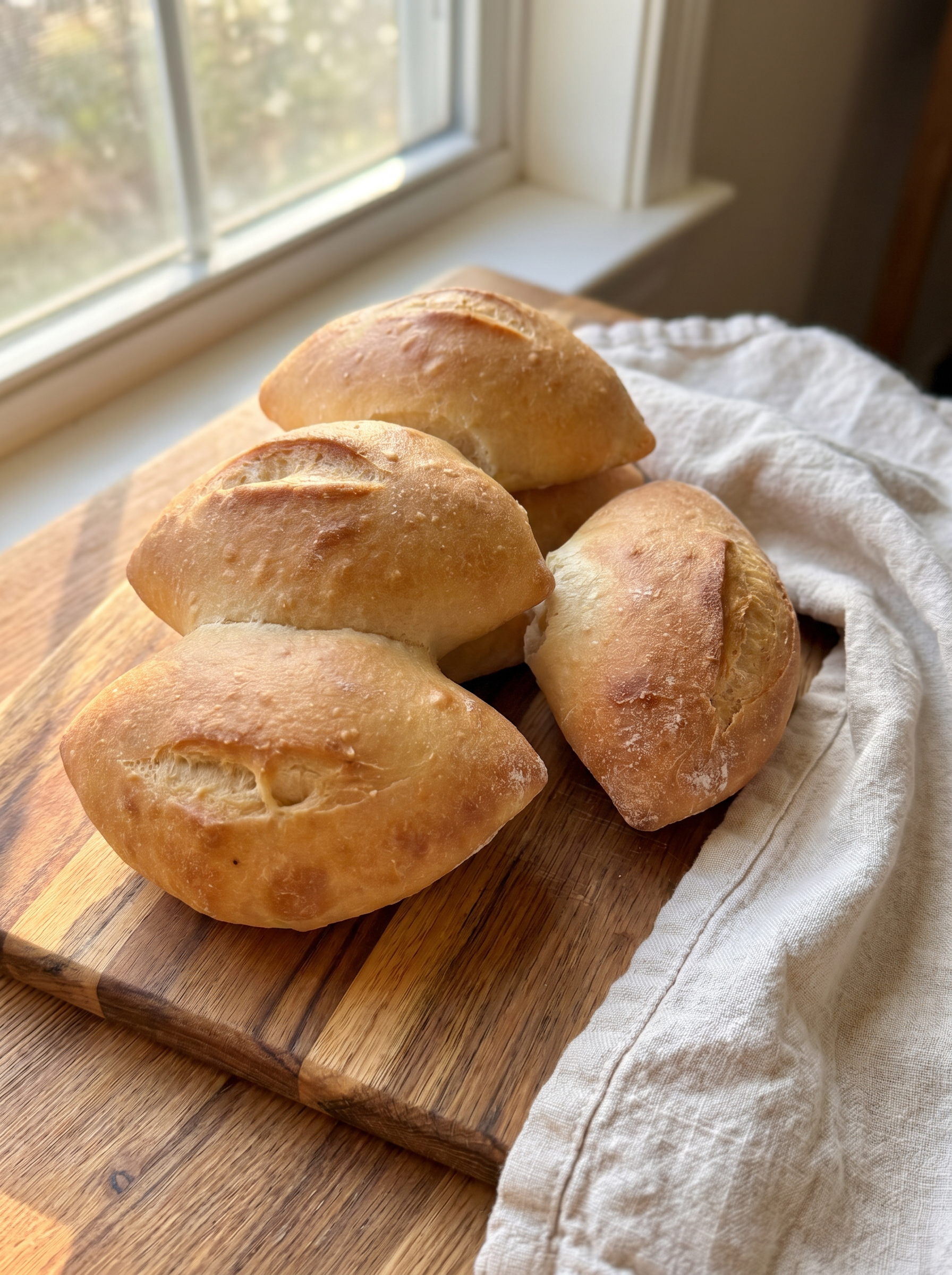
Sourdough rolls
Homemade sourdough bread
Bagels
Burger buns
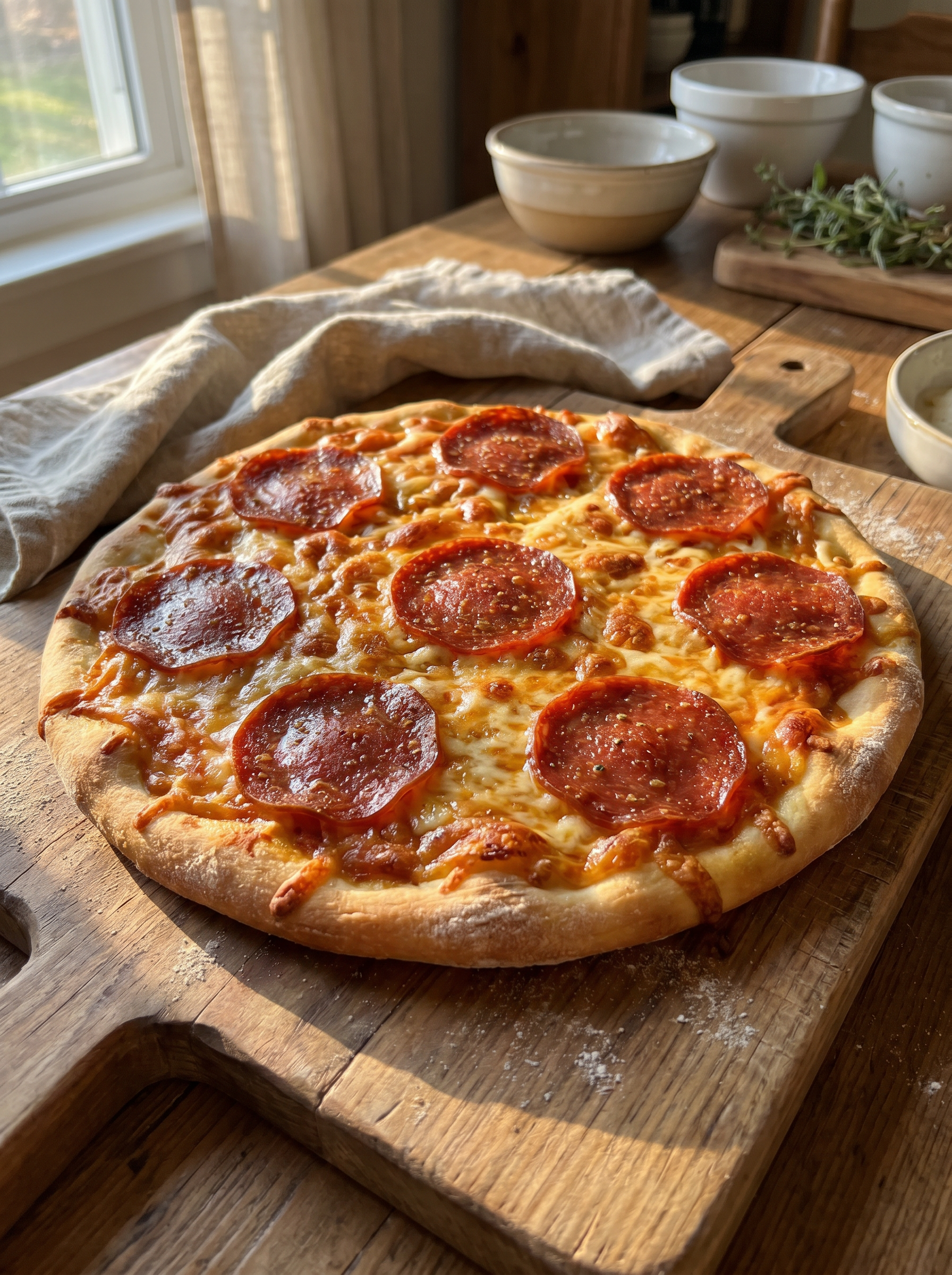
Pizza
My Favorite Sourdough Starter Tools & Ingredients
Jar Cloth Cover
Final Thoughts
Fermentation is really just teamwork between time, temperature, and microorganisms doing what they naturally do.
This experiment taught me that sometimes the best results come from simply working with what you already have and being willing to try something a little unconventional.
I never expected a ginger bug to play a role in sourdough—but it completely changed how I approach baking now.
How to Make Big Bug Dough (Step-by-Step Recipe)
Ingredients
1/2 cup active ginger bug liquid
1/2 cup all-purpose or bread flour
Additional flour and water for feeding
Equipment
Glass jar or bowl
Spoon or spatula
Breathable cover (cloth or coffee filter)
Instructions
Day 1: Start the Culture
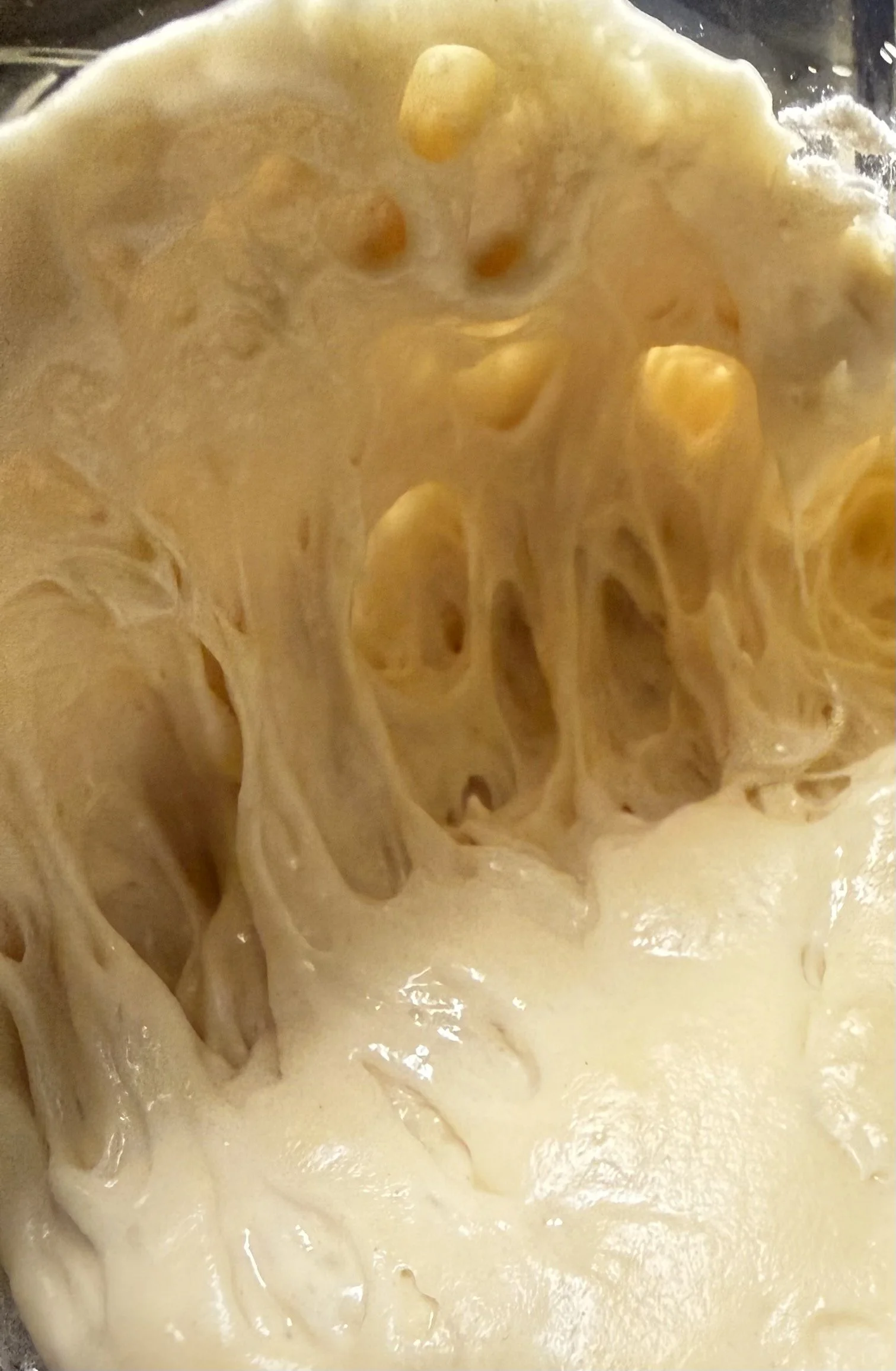
Mix equal parts ginger bug liquid and flour in a clean jar. Stir until no dry flour remains. The mixture should be thick but stirrable.
Cover loosely with a cloth or coffee filter and leave at room temperature (around 65–75°F).
Within a few hours, you should begin to see bubbles and light activity.
Day 2–3: First Feedings
I’ll be honest—I did not discard any of it. I simply fed it while checking the consistency. It should be thick, not runny, and not too dry.
Feed with:
1/2 cup flour
1/4 cup water (add more or less as needed for consistency)
Stir well, cover again, and let sit at room temperature.
Because this starter is already active, you may need to feed it once or even twice a day. If it becomes too active, you can place it in the fridge to slow it down.
Day 4–7: Strengthening the Starter
Continue daily feedings of flour and water. The starter should:
Double in size within a few hours after feeding
Smell slightly tangy and yeasty
Show consistent bubbling activity
Once it reliably rises and falls after feedings, your Big Bug Dough starter is ready to bake with.
Maintenance
Feed daily if kept at room temperature
Or refrigerate and feed once per week
Using Your Starter
Use Big Bug Dough just like a traditional sourdough starter in bread, rolls, bagels, and more.
Big Bug Jough
From Ginger Bug to Sourdough: A Kitchen Experiment That Worked!