Backyard Chicken Supplies You Actually Need.

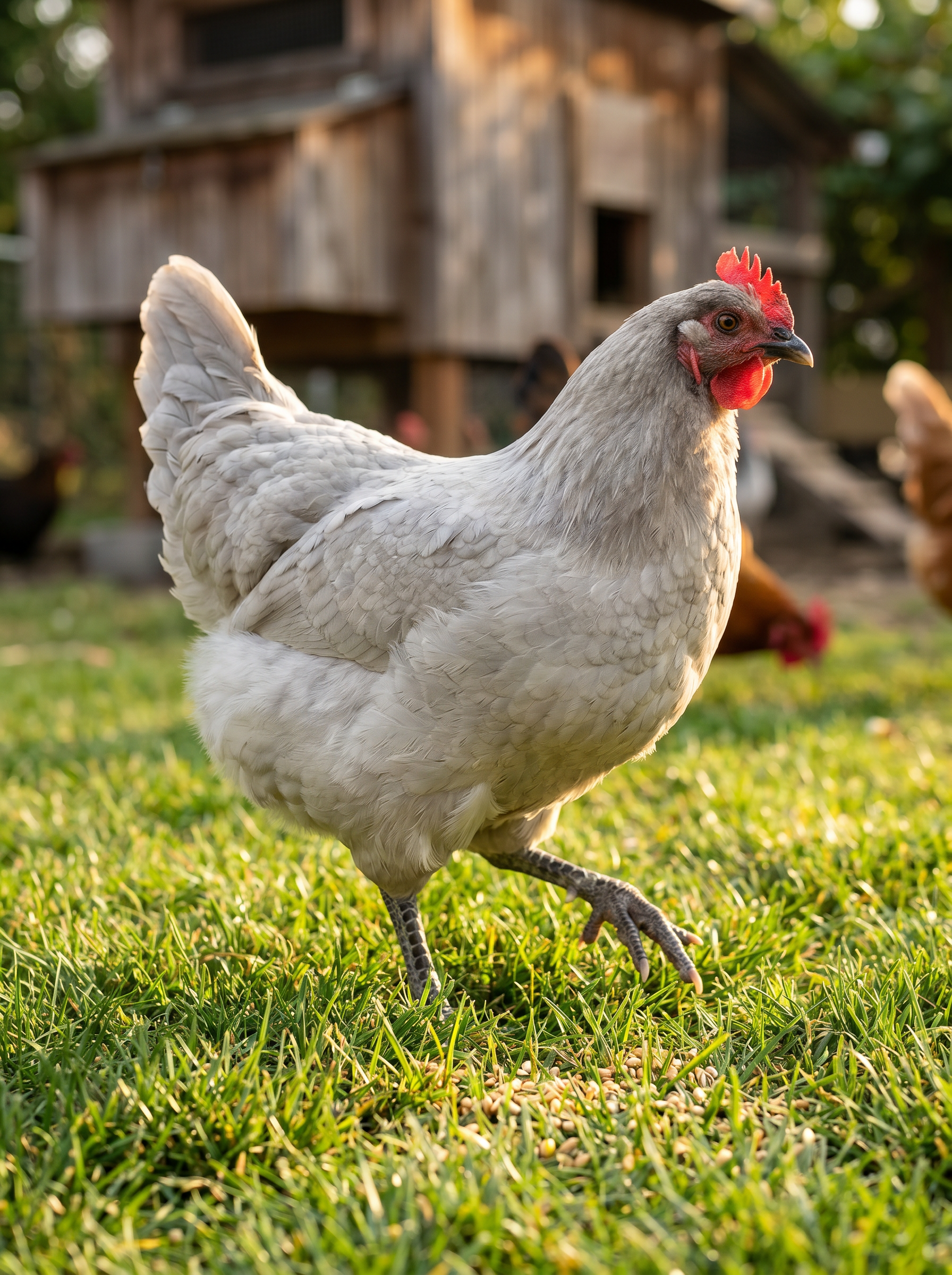
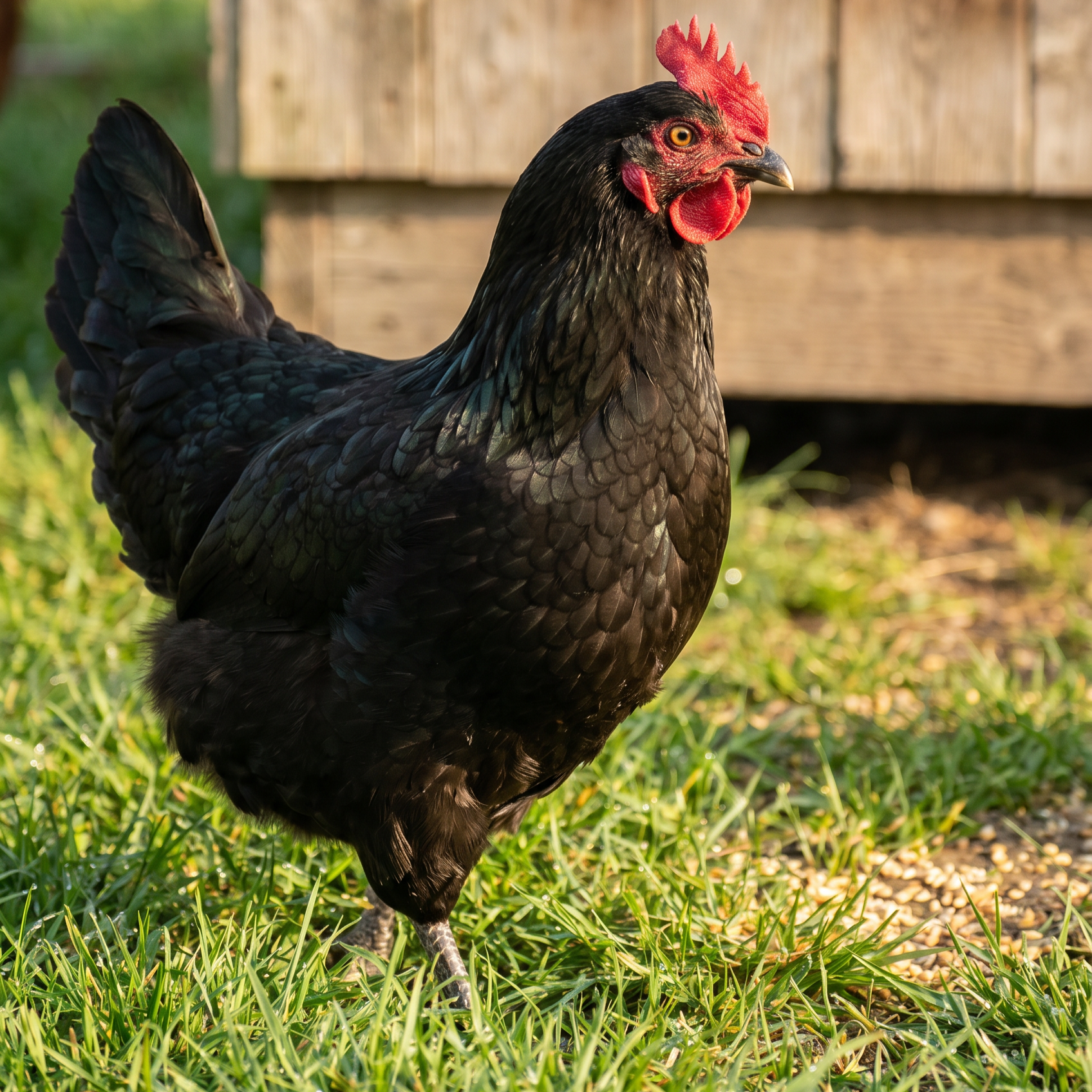

Raising backyard chickens is one of the most rewarding parts of homesteading. There’s something special about collecting fresh eggs, watching your flock roam freely, and knowing exactly where your food comes from.
When I first started keeping chickens, I quickly realized that you don’t need a complicated setup—just a few essential supplies that keep your flock healthy, clean, and productive. Over time, I’ve also added a few natural care practices that have made a big difference in maintaining a clean and balanced coop environment.
If you’re getting started, here are the backyard chicken supplies you actually need.
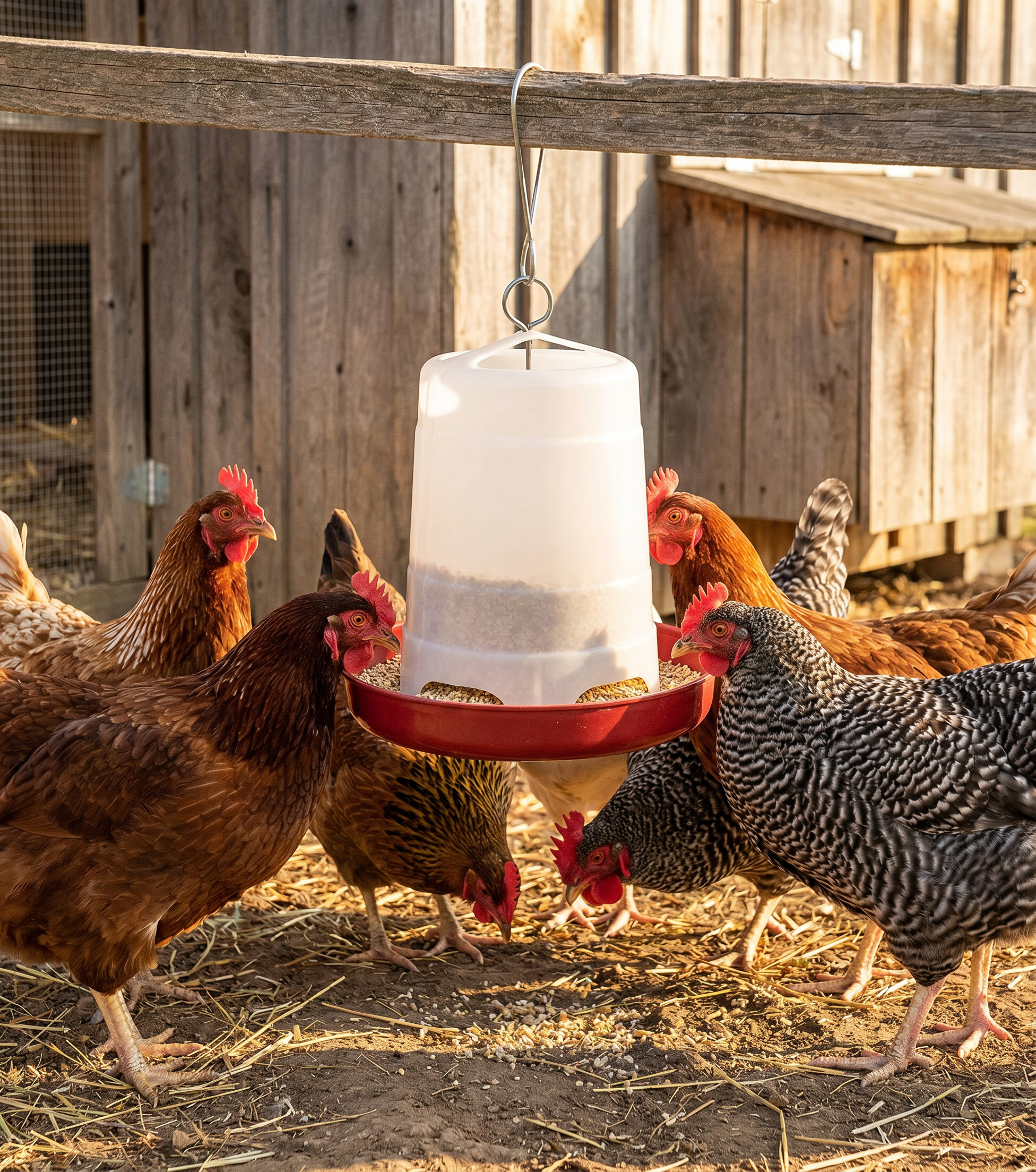
1. A Reliable Chicken Feeder
A good feeder is essential for keeping feed clean, dry, and accessible.
The right feeder helps:
Reduce feed waste
Prevent contamination from droppings or dirt
Keep rodents and pests away
Save money over time
Depending on your setup, you can use hanging feeders, gravity feeders, or treadle feeders. The main goal is simple: clean food, less mess, and easy access for your flock.
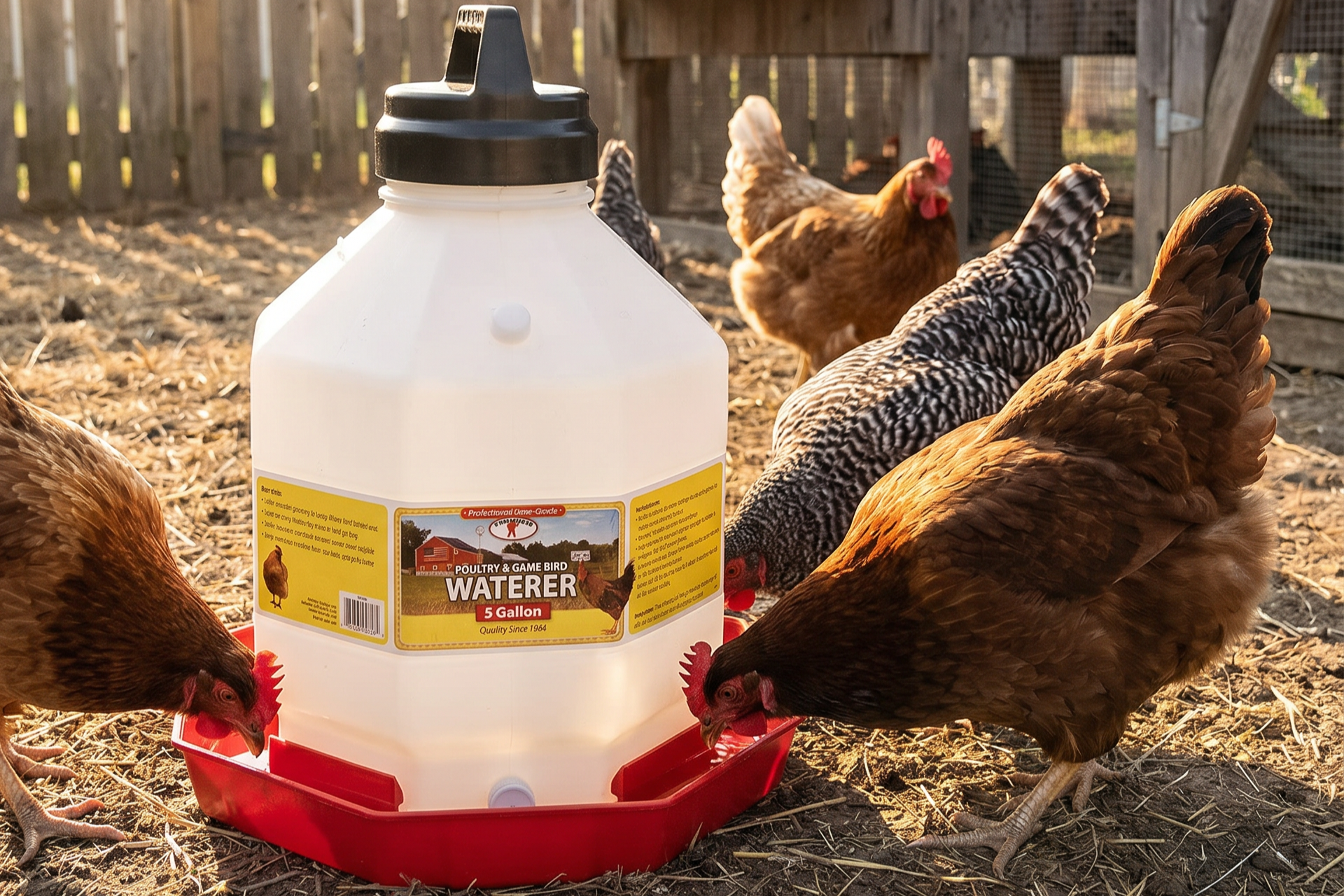
2. A Clean Watering System
Fresh water is critical for egg production, digestion, and overall flock health.
A good waterer should be:
Easy to clean
Leak-resistant
Large enough for your flock size
Durable in different weather conditions
Keeping water clean is just as important as providing it consistently.
3. Comfortable Nesting Boxes
Nesting boxes give hens a safe, quiet place to lay eggs.
A good rule of thumb is one nesting box for every 3–4 hens.
They help:
Keep eggs clean and protected
Reduce breakage
Encourage consistent laying
Make egg collection easier
I like lining nesting boxes with soft bedding like straw or pine shavings to keep them cozy and inviting.
4. Essential Coop Accessories
Small accessories make a big difference in keeping your coop functional and easy to manage.
Helpful additions include:
Roosting Bars
Chickens naturally prefer to sleep off the ground, and roosting bars give them a safe, comfortable place to perch at night.
Feed Storage Containers
Sealed containers help keep feed dry and protect it from pests.
Coop Cleaning Tools
Simple scoops and rakes make daily or weekly maintenance much easier.
Thermometers or Ventilation Monitoring
Keeping an eye on temperature and airflow helps maintain a healthy environment year-round.
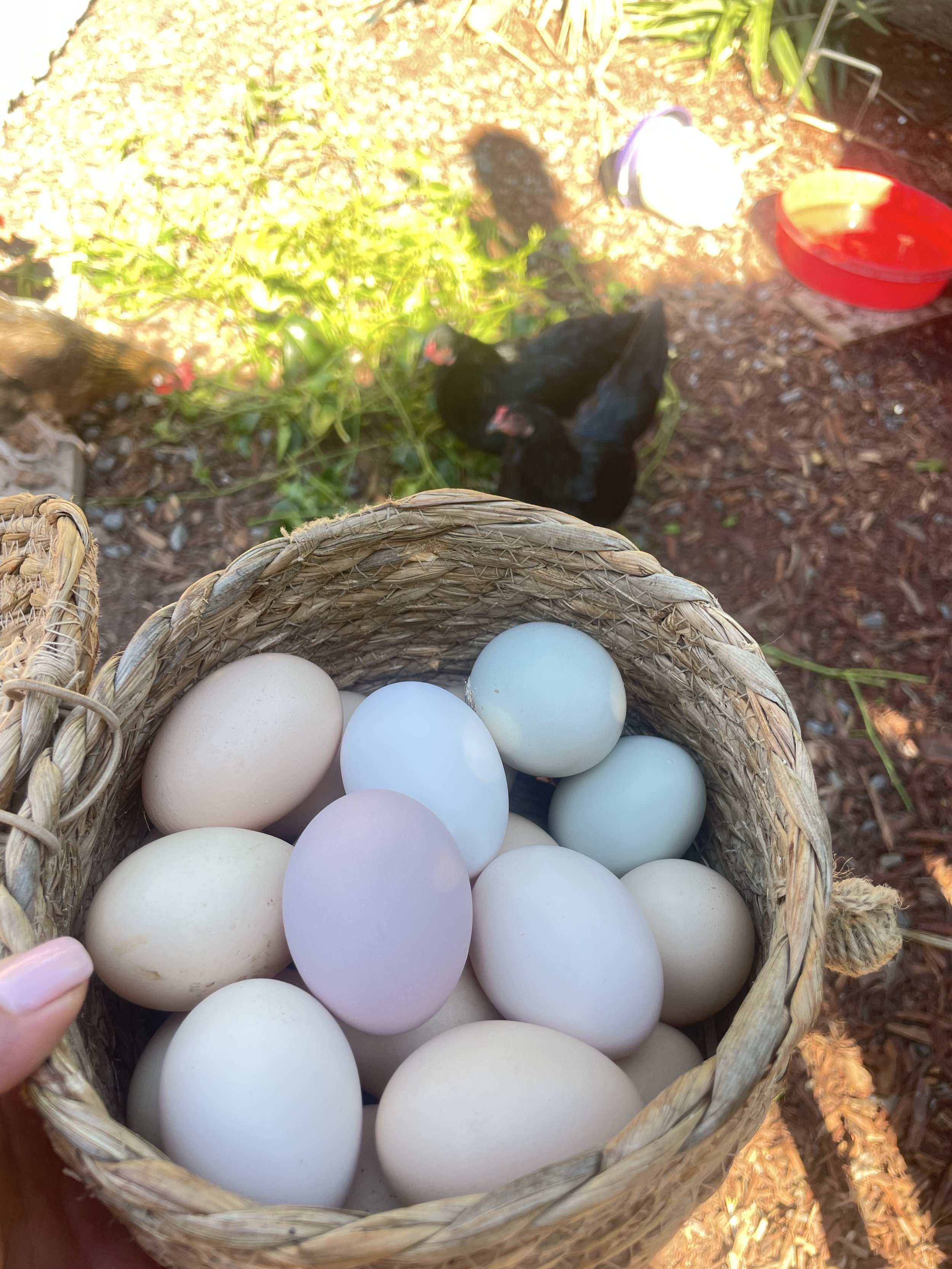
5. An Egg Collection Basket
A dedicated egg basket quickly becomes one of your most-used tools.
It makes collecting eggs easier and safer while adding a rustic, homestead touch to your daily routine.
Benefits include:
Safe transport of eggs
Easy daily collection
Reduced breakage
Charming farmhouse-style utility
6. Quality Bedding Material
Clean bedding is essential for odor control, hygiene, and flock comfort.
Popular options include:
Pine shavings
Straw
Hemp bedding
Sand (for certain coop setups)
Using Sand in the Chicken Coop (My Experience)
In my own setup, I’ve used sand as coop bedding, and it has been one of the easiest materials to maintain. Unlike traditional bedding, sand allows waste to dry quickly on the surface, making daily cleaning simple—almost like scooping a litter box.
One of the biggest benefits is that sand helps keep the coop cleaner with fewer insects. It doesn’t hold moisture the same way straw or shavings can, which makes it less attractive to flies and other pests when properly maintained. It also helps reduce odor and keeps the coop feeling fresher, especially in warmer weather.
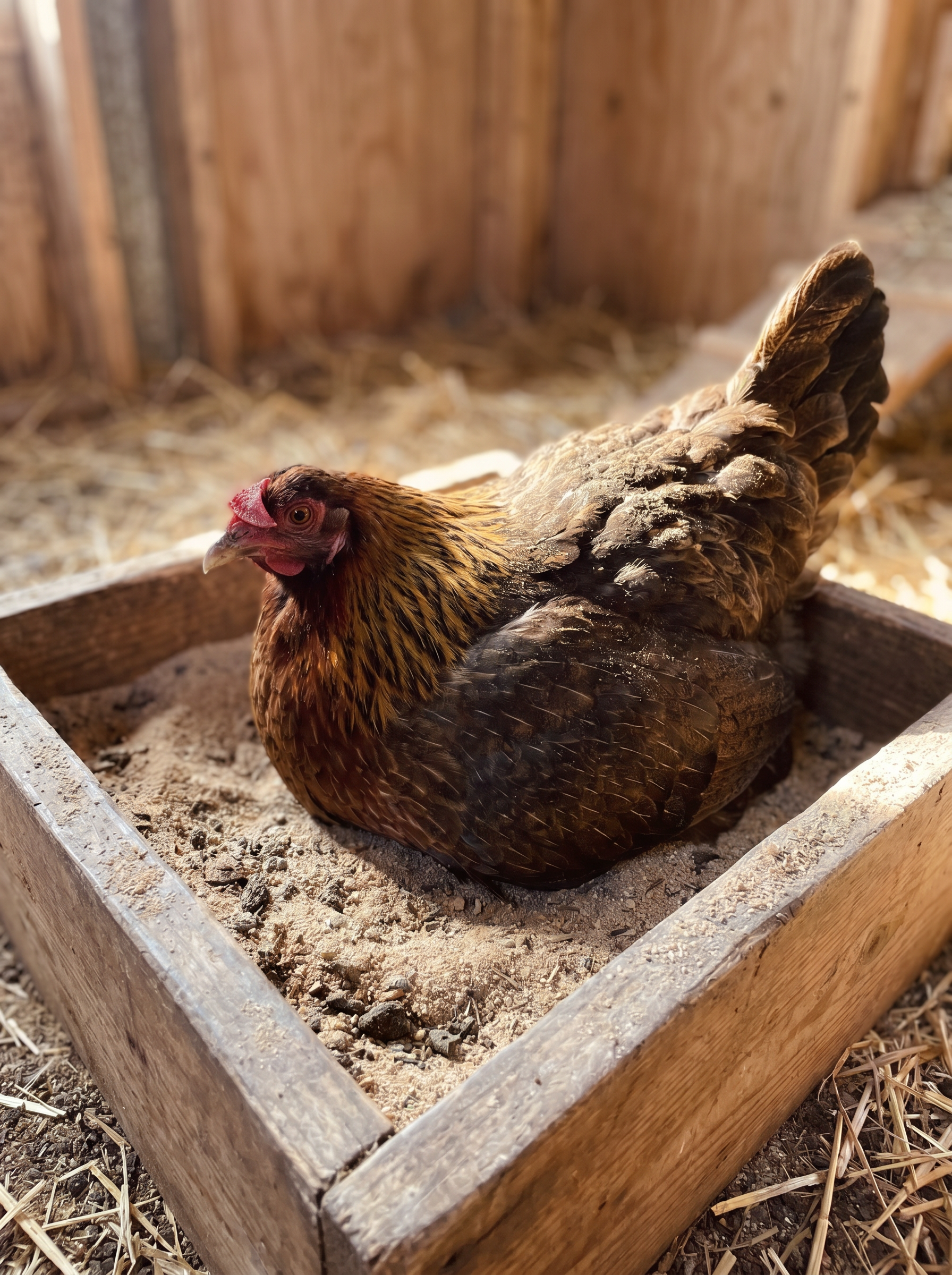
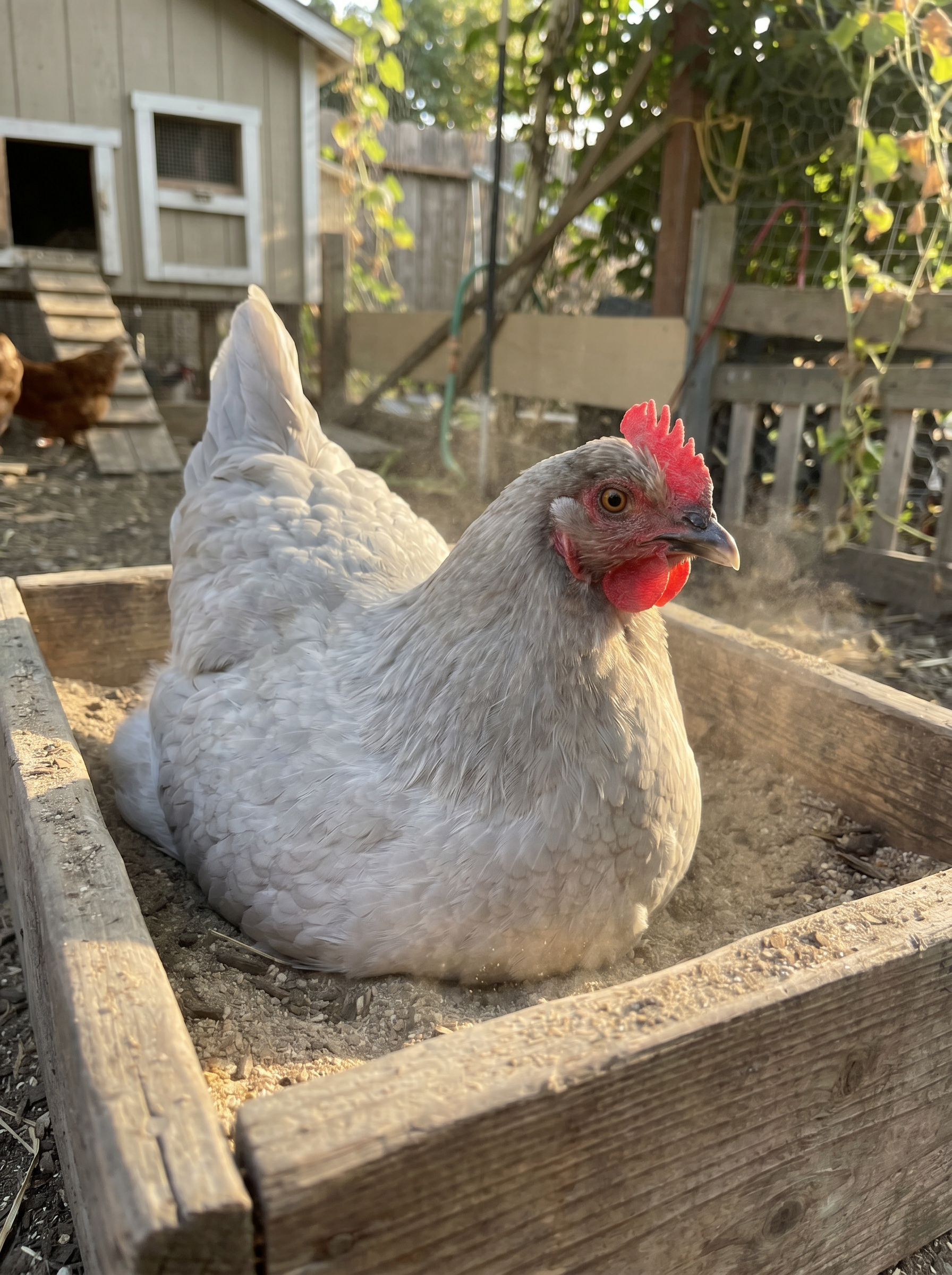
Another advantage is that chickens naturally enjoy dust-bathing in sand, which supports feather health and helps control external parasites.
While sand isn’t ideal for every coop or climate, in the right setup it can make daily maintenance easier and contribute to a cleaner, lower-maintenance environment.
7. Natural Chicken Health Practices (My Routine)
Over time, I’ve also added a few natural care practices to support flock health.
Dust Bath Boxes with Diatomaceous Earth
I provide dust bathing boxes filled with a mix of sand and a small amount of food-grade diatomaceous earth (DE).
This helps chickens:
Naturally control mites and external parasites
Keep feathers clean and healthy
Stay comfortable and stress-free
Engage in instinctive dust-bathing behavior
Chickens love dust baths, and adding DE as part of the environment supports natural pest management without harsh chemicals.
Apple Cider Vinegar in Drinking Water
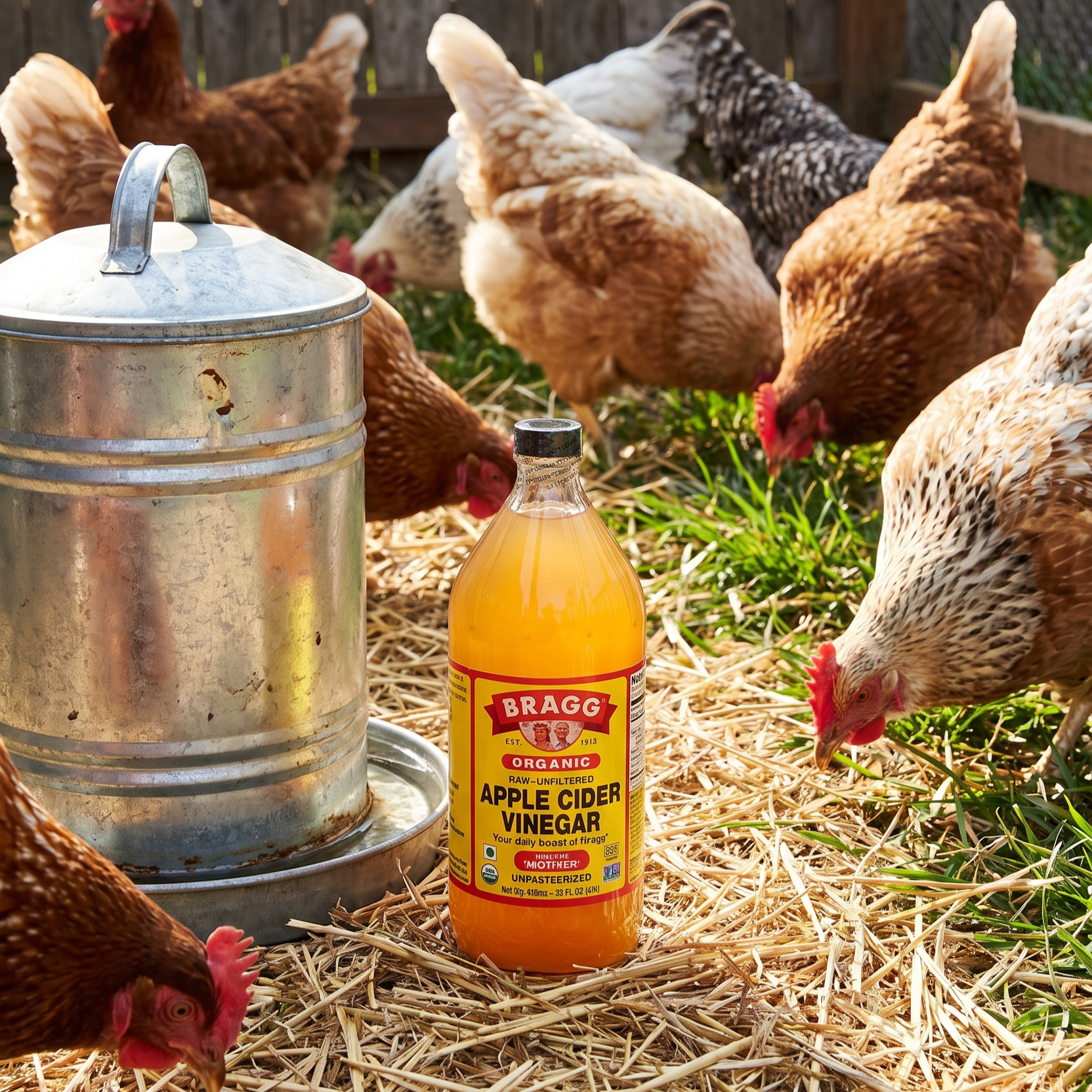
I also occasionally add a small amount of organic apple cider vinegar (ACV) to their drinking water.
The benefits of ACV include:
Supporting healthy digestion
Helping maintain gut balance
Providing mild immune support
Encouraging overall flock wellness
It’s important to use it in moderation and not every day—just a light, occasional addition to their water routine.
8. Predator Protection
Keeping chickens safe is just as important as feeding them.
Basic protection includes:
Hardware cloth (not just chicken wire)
Secure coop latches
Covered runs
Motion-activated lights
A secure coop gives you peace of mind and protects your flock long-term.
9. Chicken Treats and Enrichment
Happy chickens are active and healthy chickens.
Great enrichment options include:
Mealworms or scratch grains
Hanging vegetables like cabbage or lettuce
Pecking blocks
Dust bathing areas
These keep chickens entertained and reduce boredom-related behaviors.
Starter Supply Checklist
If you’re just beginning, focus on these essentials:
✓ Feeder
✓ Waterer
✓ Nesting boxes
✓ Roosting bars
✓ Bedding (straw, shavings, or sand)
✓ Egg basket
✓ Coop cleaning tools
✓ Predator protection
Once these basics are in place, you can expand your setup over time.
Final Thoughts
Raising backyard chickens doesn’t require complicated systems or expensive equipment. A simple, well-thought-out setup combined with a few natural care practices is often the most effective approach.
From feeders and nesting boxes to sand bedding, dust baths, and apple cider vinegar, these small choices can make a big difference in the health and happiness of your flock.
At the end of the day, chicken keeping is about balance—keeping things clean, simple, and aligned with natural rhythms of homestead living.