Garden Essentials for New Homesteaders
Starting a homestead garden is one of the most rewarding steps toward self-sufficiency. Whether you're growing a few vegetables in raised beds or planning a large backyard garden, having the right tools and supplies can make the process easier, more productive, and more enjoyable.
When I first started gardening, I quickly learned that a few quality essentials can save time, reduce frustration, and help plants thrive from seed to harvest.
If you're building your first homestead garden, here are the garden essentials I recommend every beginner start with.
1. Raised Garden Bed Kits
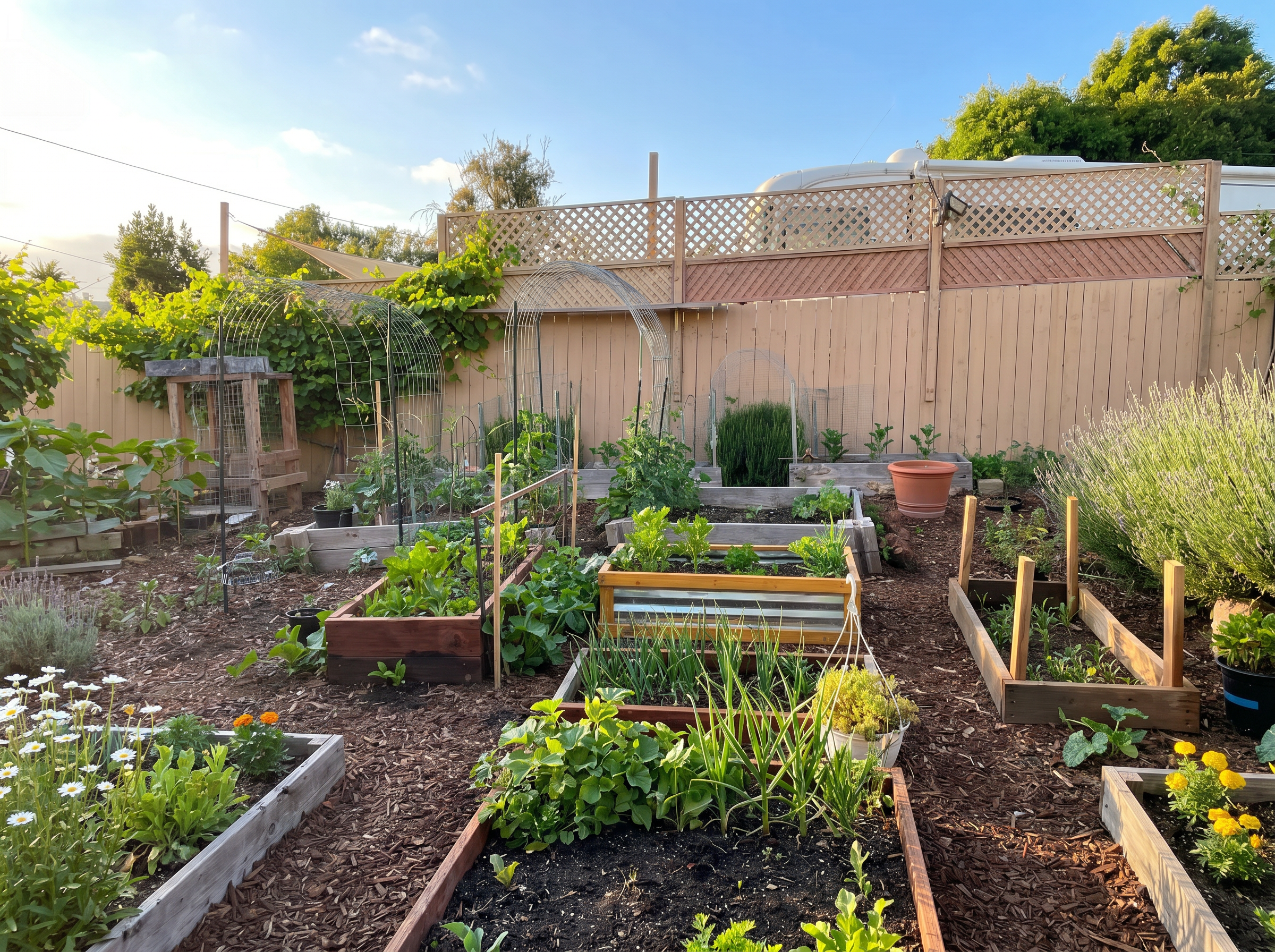
One of the best investments for new gardeners is a raised garden bed.
Raised beds offer several advantages:
Better soil control
Improved drainage
Easier weed management
Reduced soil compaction
More comfortable planting and harvesting
For beginners, raised bed kits make setup simple and eliminate the guesswork of building your own beds.
Whether you're growing tomatoes, lettuce, peppers, herbs, or root vegetables, raised beds help create a productive and organized garden space.
My Budget-Friendly Raised Bed Setup
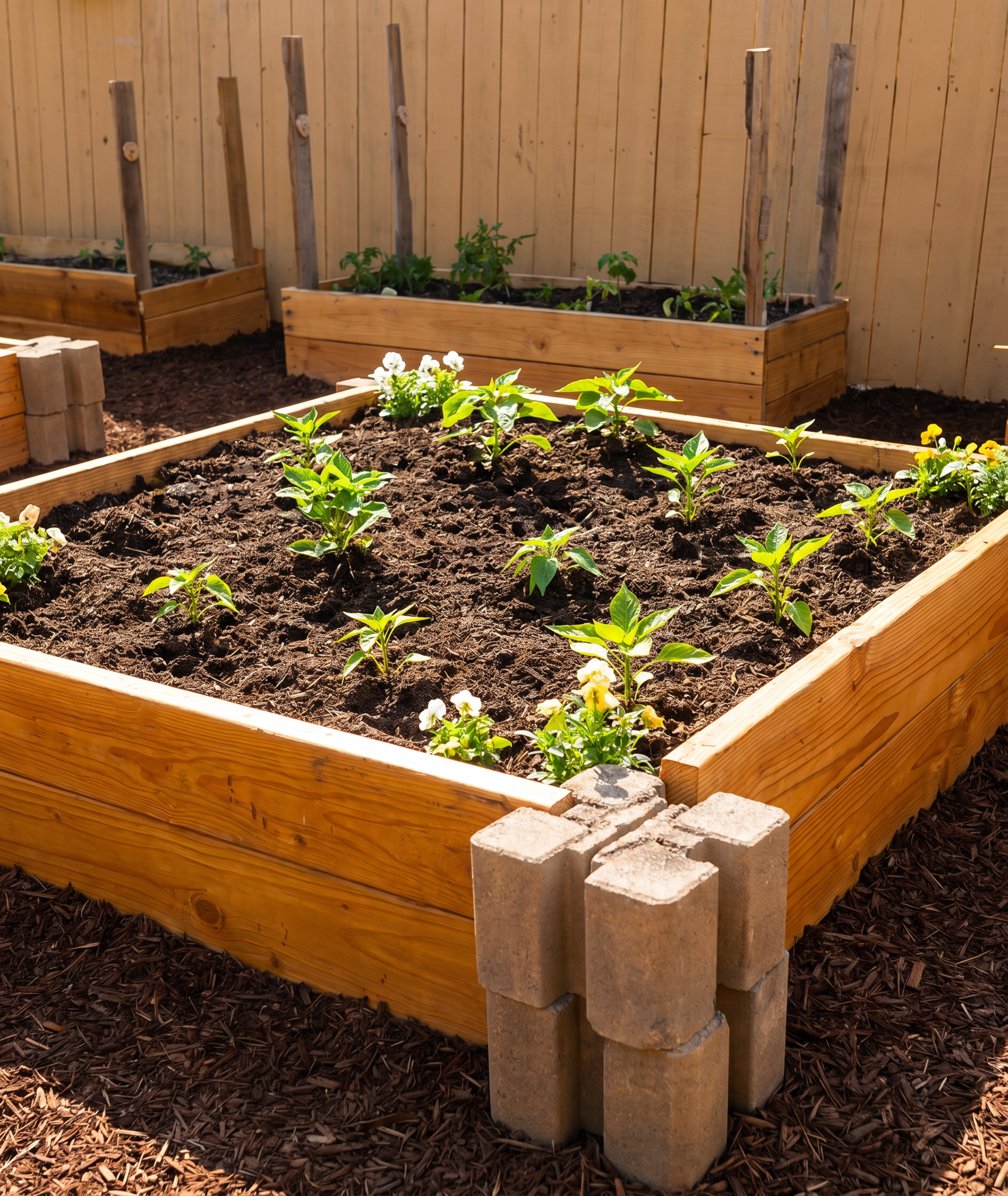
When I first started gardening, I wanted raised beds but didn't want to spend hundreds of dollars on pre-made kits. After a little research, I found a simple and affordable solution using materials from Home Depot.
I used 7.5 in. x 7.5 in. x 5.5 in. tan brown concrete planter wall blocks along with 8-inch-wide, 5-foot-long boardsfrom the discounted leftover wood section. The boards simply slide into the slots of the concrete blocks, making assembly incredibly easy without any special tools or complicated construction.
Using this method, I was able to build three raised garden beds for approximately $75.97 total, including the soil.
Some of the reasons I love this setup are:
Budget-friendly for beginner gardeners
No drilling or advanced woodworking skills required
Easy to assemble in an afternoon
Durable and long-lasting
Easy to expand as your garden grows
Perfect for vegetables, herbs, flowers, and companion planting
If you're looking for an affordable way to start a homestead garden, this is one of the easiest DIY projects I've found. Even after several growing seasons, my raised beds have continued to perform well and have become the foundation of my garden.
2. Seed Organizers
As your garden grows, so will your seed collection.
A seed organizer helps keep seeds:
Dry
Organized by season
Easy to find
Protected from damage
There is nothing more frustrating than losing track of seeds or discovering damaged packets when planting season arrives.
When I first started gardening, I would constantly lose seeds or forget where I put certain packets. It became really frustrating trying to remember what I had already planted or what I still needed. Eventually, I learned that if I wanted to save money and actually keep track of what I was planting, I needed to have everything clearly labeled and organized.
Using a dedicated organizer makes garden planning much easier and helps prevent duplicate purchases.
My Tip
Label seed categories such as:
Tomatoes
Herbs
Flowers
Root Crops
Leafy Greens
This makes seasonal planting much more efficient.
3. Quality Garden Tools
A few basic hand tools can handle most gardening tasks.
Essential tools include:
Hand trowel
Hand cultivator
Pruning shears
Garden gloves
Garden knife
Quality tools last for years and make everyday garden tasks easier. Look for tools with comfortable handles and durable construction that can withstand regular use throughout the growing season.
Let’s be honest—when you first start gardening, a lot of “true gardeners” end up working with their bare hands. I definitely did the same in the beginning. It felt simple… until I realized my hands were basically turning into permanent soil collectors. My nails? Let’s just say they were committed to the garden lifestyle whether I was or not.
Over time, I learned the hard way that my hands and nails were always getting dirty, and honestly, cleaning them became its own part-time job. That’s when I finally accepted that tools aren’t cheating—they’re just smarter gardening. The right tools make everything easier, keep your hands from looking like you’ve been digging for treasure all day, and help you actually enjoy the process more.
I also learned that staying organized with your tools is just as important as owning them. Keeping everything clean, stored properly, and easy to find makes a big difference when you’re in the middle of planting or harvesting and need something quickly.
4. A Reliable Watering Can
Consistent watering is one of the keys to a successful garden.
A watering can allows you to:
Water seedlings gently
Target specific plants
Reduce water waste
Reach areas not connected to irrigation
Choose a watering can with a comfortable handle and a removable sprinkler head for flexibility.
My Tip
Young seedlings prefer a gentle shower rather than a strong stream of water that can disturb roots or wash away soil.
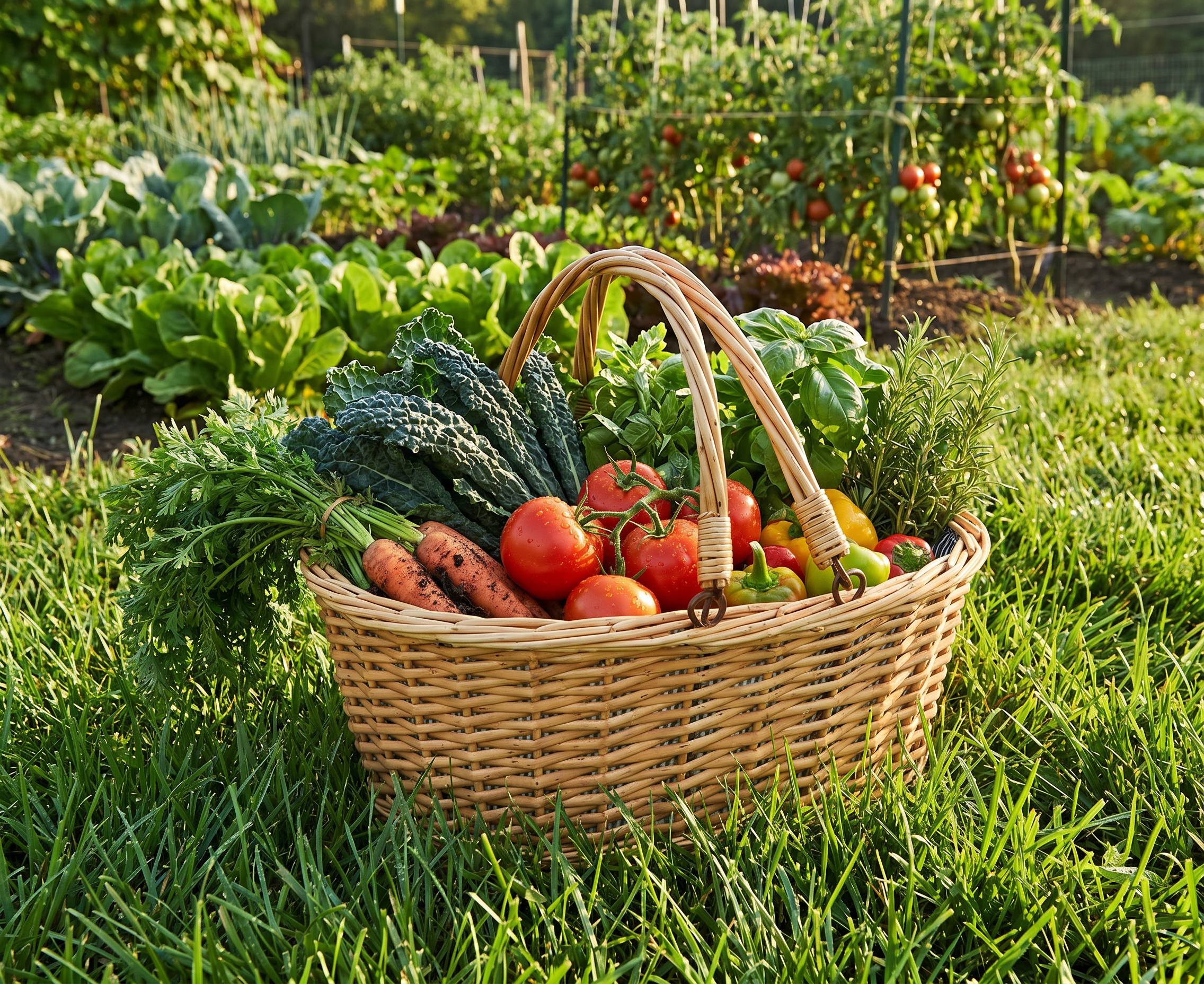
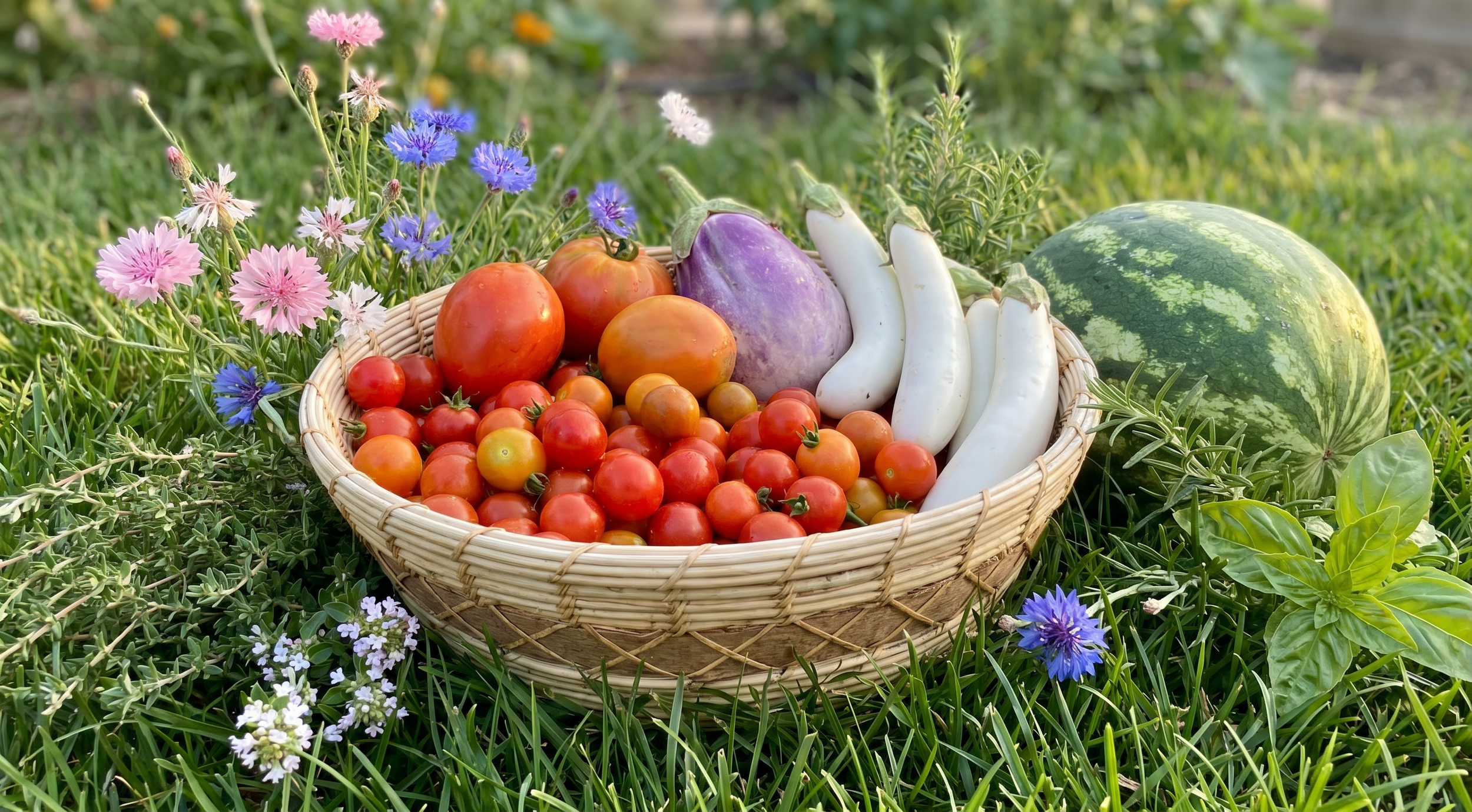
5. Harvest Baskets
One of my favorite garden tools isn't used during planting—it's used during harvest.
A sturdy harvest basket makes gathering vegetables easier and more enjoyable.
Perfect for collecting:
Tomatoes
Cucumbers
Peppers
Beans
Herbs
Squash
Fresh flowers
A quality basket also helps protect delicate produce while moving it from the garden to the kitchen.
My Favorite Harvest Routine
There's something satisfying about walking through the garden with a woven harvest basket and filling it with fresh vegetables for dinner. It's one of the simple pleasures that makes homestead gardening so rewarding.
6. Garden Markers and Labels
It's surprisingly easy to forget what was planted where.
Garden markers help you:
Identify seedlings
Track varieties
Record planting dates
Stay organized throughout the season
This becomes especially useful when growing multiple varieties of tomatoes, peppers, herbs, or flowers.
7. Compost and Soil Amendments
Healthy plants start with healthy soil.
Adding compost helps:
Improve soil structure
Increase nutrient availability
Improve moisture retention
Support beneficial soil organisms
Even the best seeds struggle in poor soil, making this one of the most important investments in your garden's success.
8. A Garden Journal
One of the most overlooked tools for beginner homesteaders is a simple garden journal.
Use it to track:
Planting dates
Germination rates
Harvest yields
Weather patterns
Successful varieties
Each season becomes a learning experience that helps improve future harvests.
Beginner Homestead Garden Checklist
If you're just starting out, focus on these essentials first:
✓ Compost
These basics will help you successfully grow your first garden without overspending on unnecessary tools.
Final Thoughts
Starting a homestead garden doesn't require expensive equipment or a large amount of land. A few well-chosen essentials can help you grow fresh food, gain confidence, and enjoy the process from seed to harvest.
Begin with raised beds, quality tools, organized seeds, and a reliable harvest basket. As your skills and garden grow, you can continue adding supplies that fit your unique homestead goals.
The most important step is simply getting started. Every successful homesteader began with a single seed, a little soil, and the willingness to learn along the way.