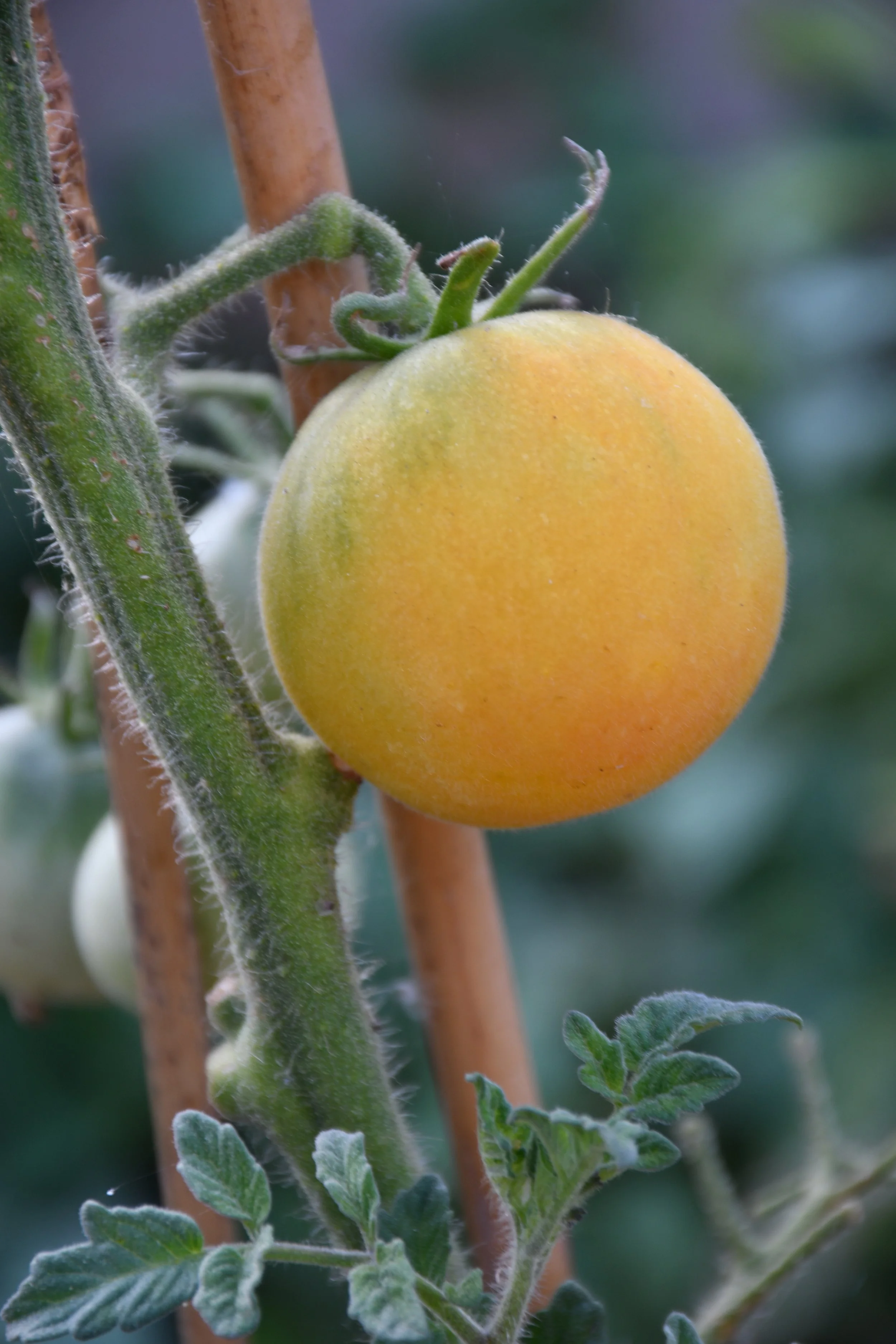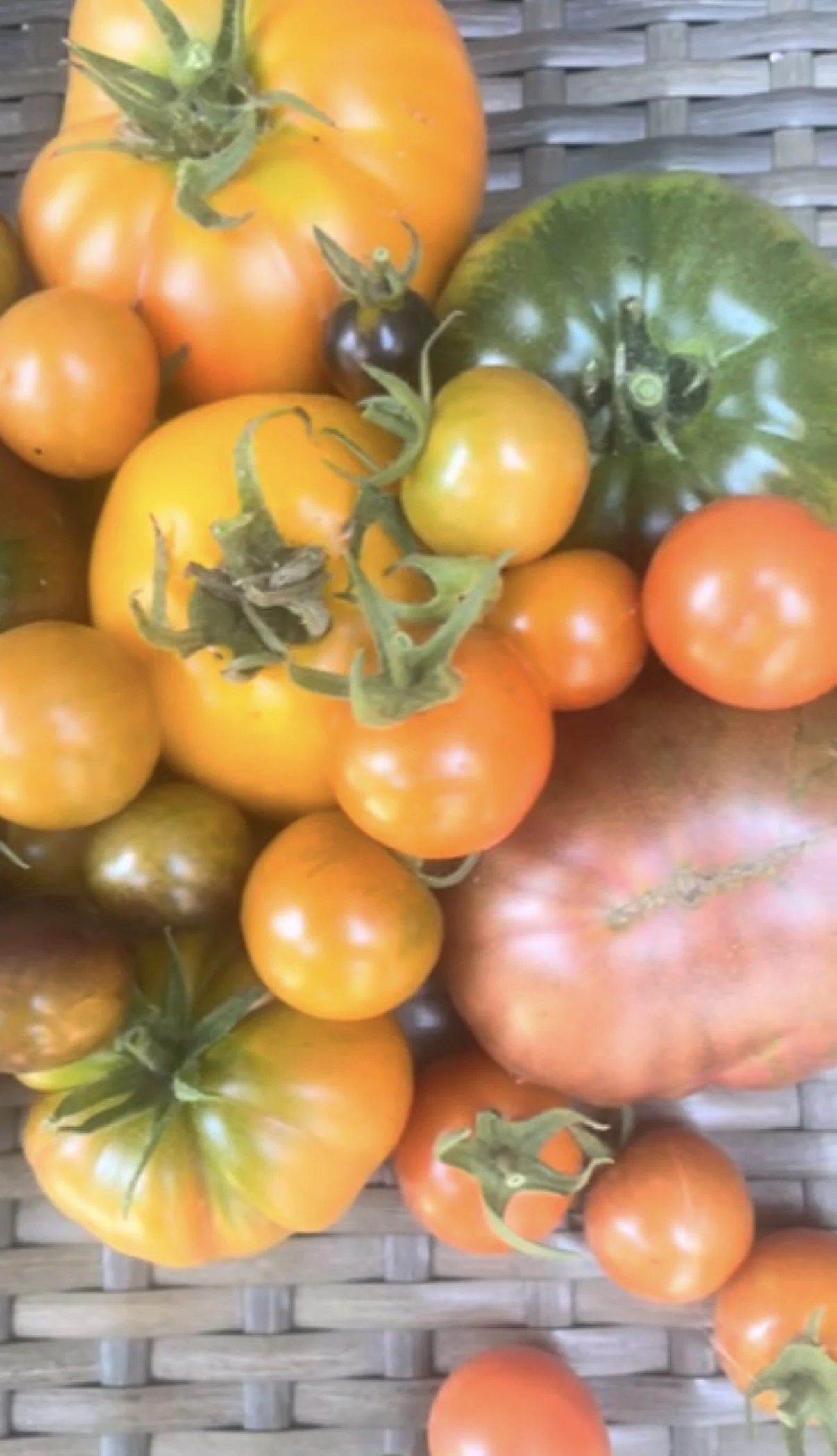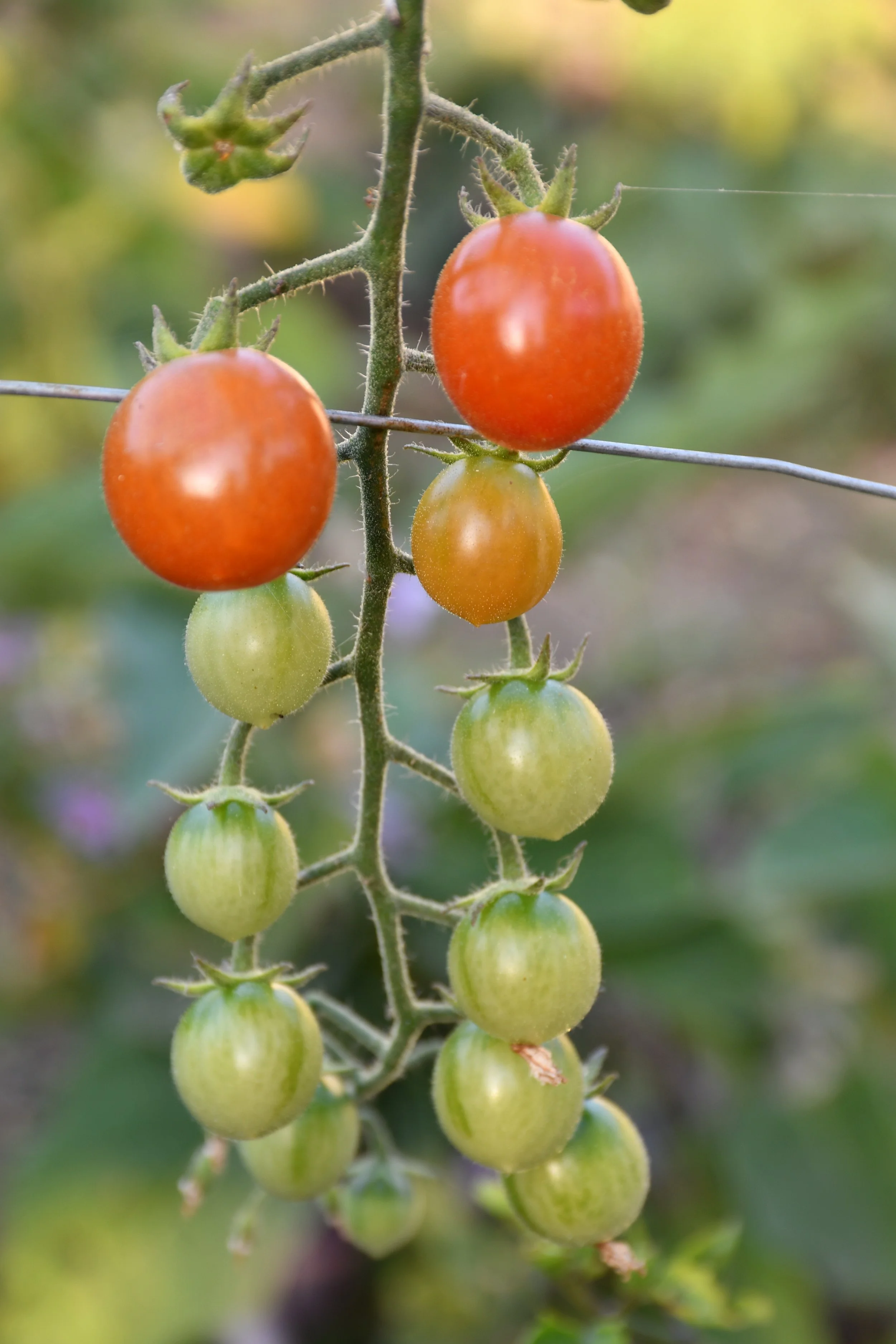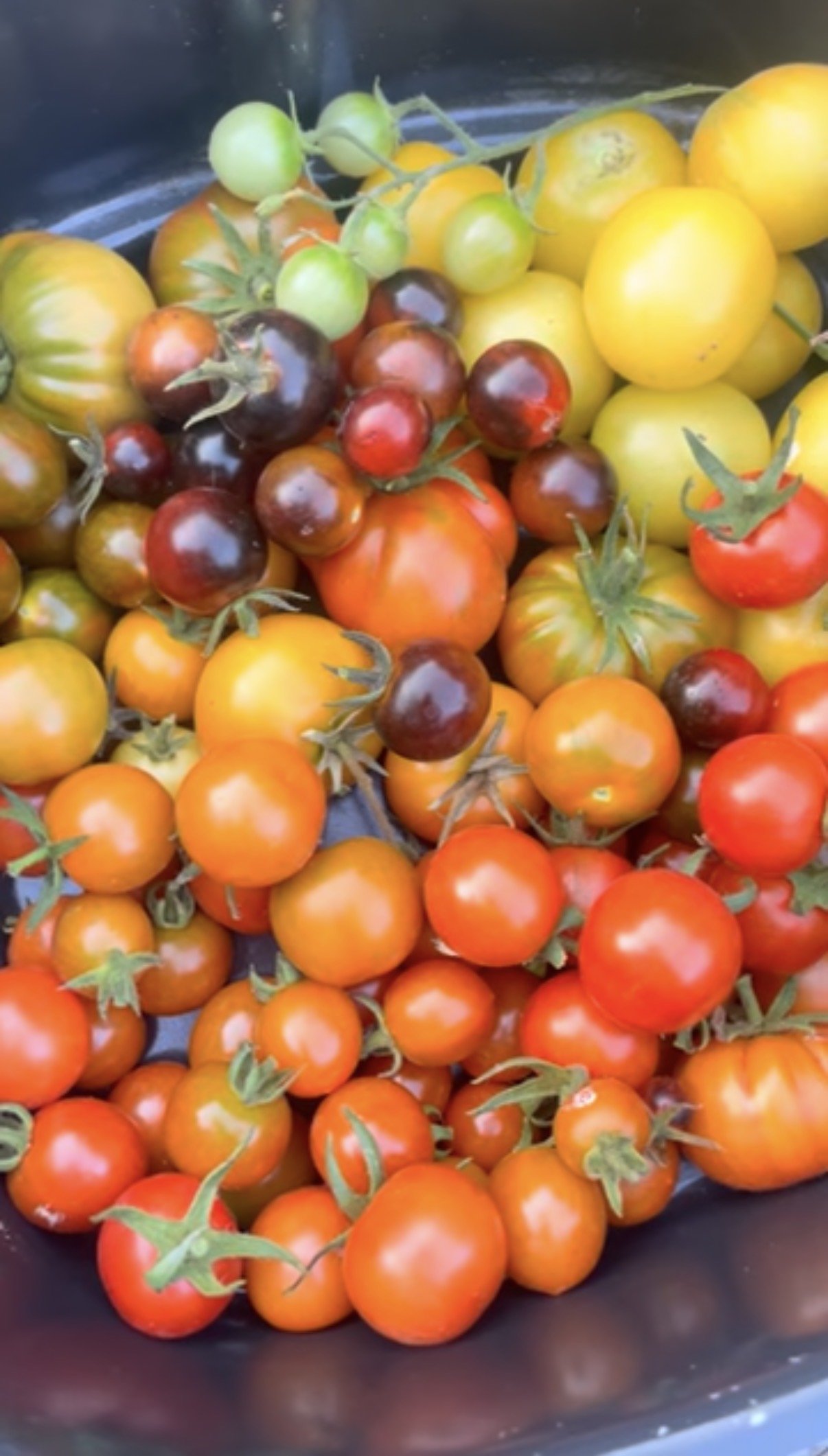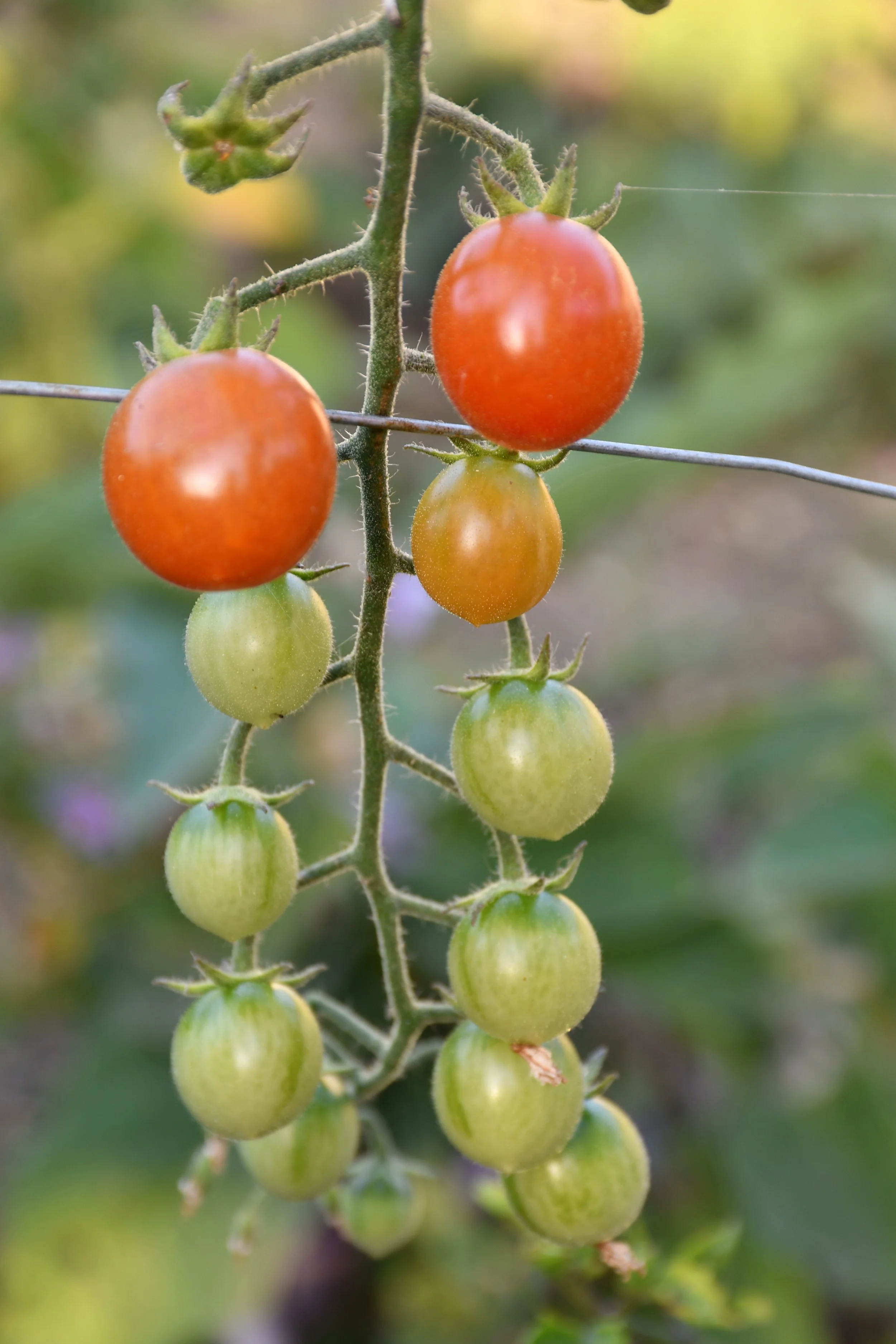
There’s something incredibly rewarding about stepping into a garden filled with ripening tomatoes—especially when everything is grown using organic methods, patience, and a bit of trial and error.
My garden has become a living experiment in growing heirloom tomatoes, and over time I’ve discovered what these plants truly love… and what they absolutely hate.
From sweet cherry varieties to large slicing tomatoes, each plant has taught me something different about soil, sun, water, and care.
I grow in Vista, California (USDA Hardiness Zone 10a), which gives me a long growing season and plenty of warmth—but also challenges like strong sun exposure and occasional coastal humidity shifts.
The Heirloom Tomatoes I Grow
All of my tomatoes are heirloom varieties, which means they are open-pollinated and have been passed down for generations. I love them for their flavor, diversity, and uniqueness.
Some of my favorites include:
Rapunzel Cherry Tomatoes – My absolute favorite
Cherry tomatoes (multiple varieties)
Beefsteak tomatoes – large and juicy
Hillbilly tomatoes – sweet, orange-yellow heirloom slicers
Cherokee Purple – rich, smoky flavor
White Cherry Tomatoes – mild, sweet heirloom cherry variety
Each one behaves slightly differently in the garden, but they all share the same basic needs.
What Tomatoes LOVE
Through experience, I’ve learned tomatoes thrive when a few key conditions are met:
Full Sun
Tomatoes need at least 6–8 hours of direct sunlight daily. In Zone 10a, they love the long sunny days, especially in spring and summer.
Well-Draining Soil
They prefer soil that is rich in organic matter but never soggy. I use compost-heavy soil mixed with natural amendments.
Deep, Infrequent Watering
Tomatoes grow stronger when watered deeply at the base rather than lightly every day.
Good Air Circulation
Spacing is important. Airflow helps prevent disease and keeps plants healthy.
Support Structures
Cages, stakes, or trellises help keep fruit off the ground and reduce rot.
What Tomatoes HATE
Tomatoes are hardy, but they are also sensitive in ways many gardeners don’t expect.
Water on Their Leaves
One of the most important lessons I’ve learned is that tomatoes do NOT like water sitting on their leaves.
When leaves stay wet too long, it can lead to:
Fungal diseases like early blight and powdery mildew
Leaf spotting and yellowing
Increased risk of mold and rot
Reduced fruit production
That’s why I always water at the base of the plant, not overhead.
Too Much Water
Overwatering can be just as harmful as underwatering.
When tomato plants receive too much water:
Roots can become weak and shallow
Fruit may split or crack
Flavor becomes diluted
Plants become more disease-prone
Tomatoes actually prefer a slight drying-out period between watering cycles.
Poor Airflow
Crowded plants trap moisture and create the perfect environment for disease.
My Favorite Variety: Rapunzel Tomatoes
One of the most exciting plants in my garden is the Rapunzel cherry tomato.
This variety is truly special.
It produces incredibly long cascading vines covered in sweet cherry tomatoes, often growing in heavy, continuous clusters.
It lives up to its fairy-tale name beautifully.
Some of the reasons I love it:
Extremely sweet flavor
Heavy, continuous production
Beautiful trailing growth habit
Thrives in warm climates like Southern California
Perfect for snacking and salads
It’s one of those plants that feels almost magical when it’s thriving.
Tomato Care Tips for Vista, California (Zone 10a)
If you’re gardening in coastal Southern California like I am, here are a few things that make a big difference:
Start tomatoes early in spring after frost risk is gone
Provide afternoon shade during extreme heat waves
Mulch heavily to retain moisture and regulate soil temperature
Water deeply 2–3 times per week depending on heat
Use organic compost to replenish nutrients throughout the season
Watch for humidity-related fungal issues near the coast
The long growing season here is a blessing—but consistency is everything.
Final Thoughts
Growing tomatoes has taught me more than just gardening—it’s taught me patience, observation, and respect for natural cycles.
Every variety in my garden has its own personality, from the bold Cherokee Purple to the delicate White Cherry. But the Rapunzel tomatoes remain my favorite reminder that gardening is both practical and magical.
If you’re starting your own tomato garden, especially in a warm climate like California, focus on consistency, soil health, and proper watering techniques. The plants will do the rest.
If you want, I can also:
Turn this into a Square SEO blog version
Create a Pinterest pin for this blog
Or format it for Instagram carousel posts or reels
Just tell me 👍
urn this into a Square SEO blog version
Here’s your Square SEO-optimized blog version. I tightened structure, added stronger keywords, headings, and search-friendly phrasing while keeping your voice and story intact.
Organic Heirloom Tomato Gardening in Coastal California (Zone 10a) | My Garden Guide
Growing tomatoes organically in Southern California has become one of the most rewarding parts of my garden journey. In my backyard garden in Vista, California (USDA Hardiness Zone 10a), I grow a variety of heirloom tomatoes using only organic methods, compost, and natural soil care.
Over time, I’ve learned exactly what tomatoes thrive on—and what can quickly lead to problems.
This guide shares my experience growing heirloom tomatoes, including care tips, watering mistakes to avoid, and my favorite varieties like Rapunzel cherry tomatoes, Cherokee Purple, and more.
Heirloom Tomato Varieties I Grow
All of the tomatoes in my garden are heirloom varieties, meaning they are open-pollinated and passed down through generations. They are known for their rich flavor, diversity, and unique colors.
My current garden includes:
Rapunzel Cherry Tomatoes – long cascading vines with sweet fruit
Cherry tomatoes (multiple varieties)
Beefsteak tomatoes – large slicing tomatoes
Hillbilly tomatoes – orange-yellow heirloom slicers
Cherokee Purple – rich, smoky, deep purple heirloom
White Cherry Tomatoes – mild, sweet heirloom cherry variety
Each variety grows slightly differently, but they all share the same basic needs for healthy growth.
Tomato Growing Conditions in Vista, California (Zone 10a)
Vista, California falls under USDA Hardiness Zone 10a, which provides:
Long warm growing seasons
Mild winters with little frost risk
Strong sun exposure
Occasional coastal humidity
These conditions are ideal for tomatoes, but they still require careful watering and disease prevention, especially during warmer months.
What Tomato Plants LOVE (Organic Growing Tips)
Through years of organic gardening, I’ve learned that tomatoes thrive when their basic needs are consistently met:
Full Sun
Tomatoes need 6–8+ hours of direct sunlight daily for strong growth and fruit production.
Nutrient-Rich Organic Soil
Healthy soil is the foundation. I rely on compost, natural amendments, and organic matter to feed my plants.
Deep Root Watering
Tomatoes prefer deep, infrequent watering rather than shallow daily watering. This encourages stronger root systems.
Good Air Circulation
Spacing plants properly helps reduce disease and keeps foliage dry and healthy.
Support Structures
Cages, stakes, or trellises help keep fruit off the ground and improve airflow.
What Tomatoes HATE (Common Mistakes to Avoid)
Tomatoes are resilient, but they are sensitive to certain growing conditions.
Water on Tomato Leaves
One of the most important lessons I’ve learned is that tomato plants do NOT like water sitting on their leaves.
When leaves stay wet too long, it can lead to:
Early blight
Powdery mildew
Leaf spotting and yellowing
Fungal disease spread
Reduced plant health and yield
✔ Best practice: Always water at the base of the plant, not from above.
Overwatering Tomato Plants
Too much water can be just as harmful as too little.
Overwatering can cause:
Weak or shallow root systems
Fruit cracking or splitting
Reduced flavor in tomatoes
Increased risk of root rot and disease
Tomatoes actually grow best when the soil is allowed to dry slightly between waterings.
Poor Airflow & Overcrowding
When plants are too close together, moisture gets trapped, increasing disease risk—especially in humid or coastal climates.
Favorite Tomato Variety: Rapunzel Cherry Tomatoes
One of the most impressive plants in my garden is the Rapunzel cherry tomato.
This variety is known for its:
Long cascading vine growth
Heavy clusters of sweet cherry tomatoes
Continuous production throughout the season
Excellent performance in warm climates like Southern California
The Rapunzel tomato is not only productive but also visually stunning in the garden. It truly lives up to its fairy-tale name.
Organic Tomato Care Tips for Southern California Gardeners
If you're growing tomatoes in Vista or similar Zone 10a climates, here are my best organic gardening tips:
Start planting after frost risk is gone (early spring)
Use mulch to retain moisture and reduce heat stress
Water deeply 2–3 times per week depending on heat
Provide afternoon shade during extreme summer heat waves
Feed soil regularly with organic compost
Watch closely for fungal issues in humid conditions
Consistency and soil health are key to success in warm climates.
Final Thoughts on Growing Heirloom Tomatoes
Growing heirloom tomatoes organically has taught me that gardening is about observation, patience, and learning from each season.
From sweet cherry tomatoes to large slicers like Beefsteak and Cherokee Purple, every plant has its own personality and needs.
But my favorite will always be the Rapunzel cherry tomato—a variety that feels both productive and beautiful in the garden.
If you're starting your own tomato garden in California or any warm climate, focus on healthy soil, proper watering, and good airflow. Your plants will reward you with abundant, flavorful harvests.
I Grew the Most Beautiful Heirloom Tomatoes in My Backyard (Here’s How)